
Blue Nile Dam
The project at a glance
The challenge: certified aggregates for an 8 million cubic metre dam
The Grand Ethiopian Renaissance Dam (GERD) is the largest dam in the African continent. Built on the Blue Nile, one of the most geographically inaccessible and logistically complex areas in the world, it requires enormous quantities of RCC (Roller Compacted Concrete): a technology that tolerates no variation in the quality of aggregates.
RCC concrete is roller compacted in subsequent layers: every variation in the particle size of aggregates directly leads to a structural defect. For a dam with a capacity of 8 million cubic metres, this means that the consistency and certifiability of the product are not optional – they are a design requirement.
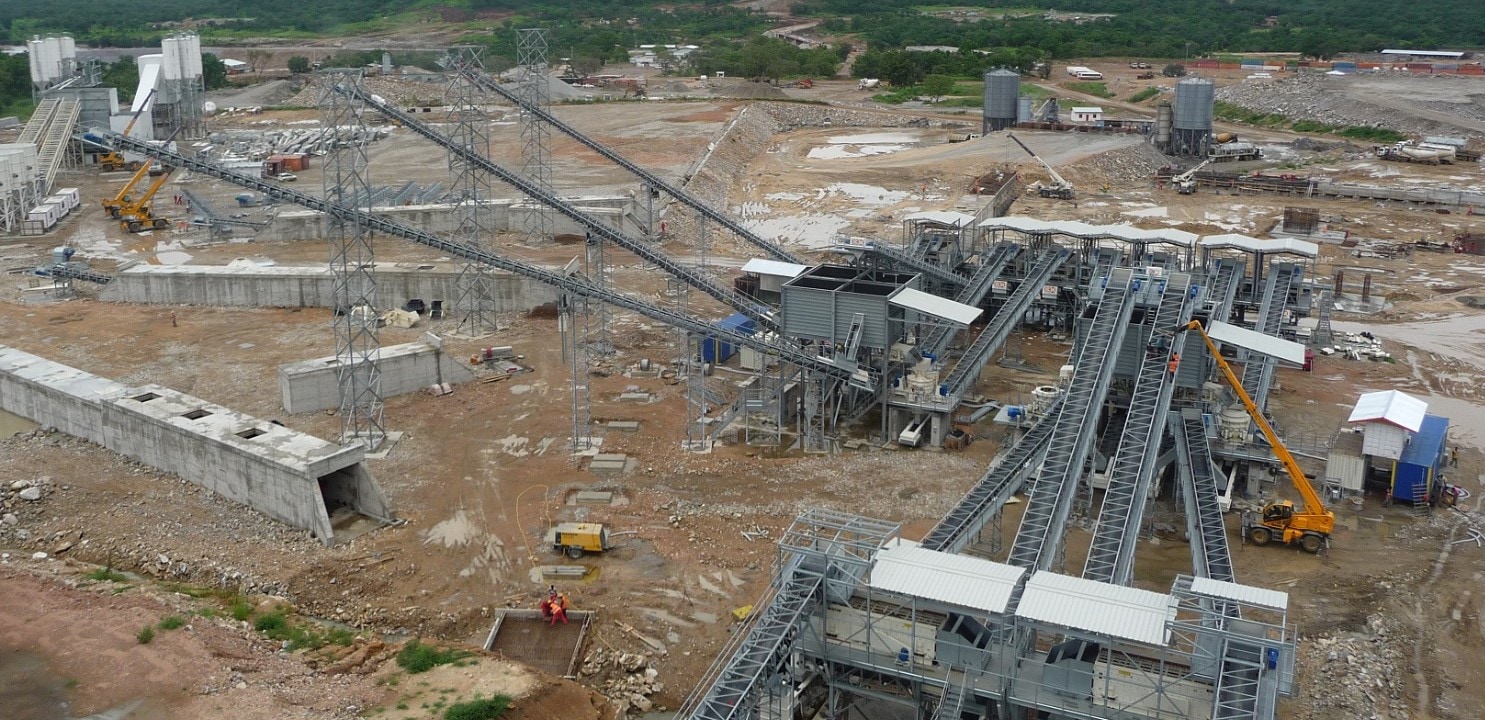
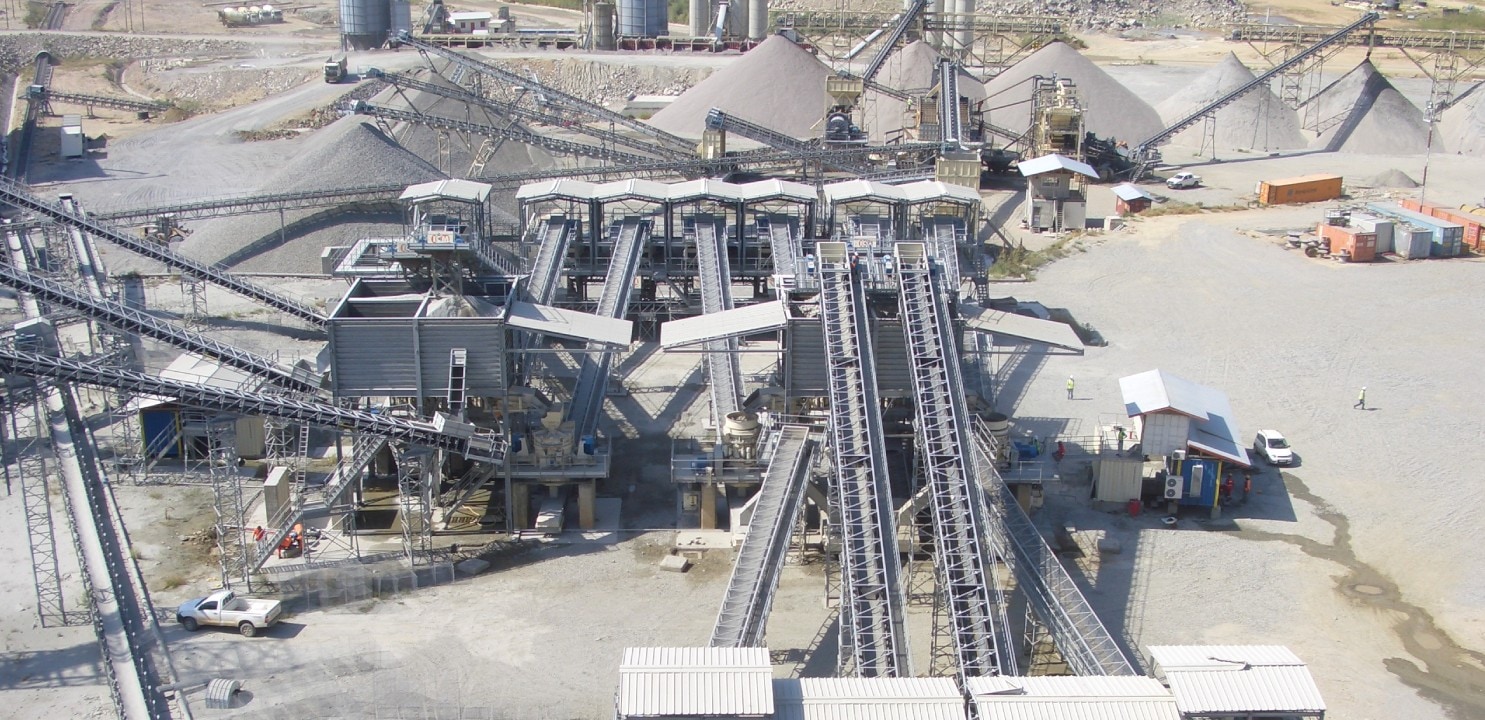
ICM was commissioned to design and supply the crushing and screening system for the production of aggregates intended for use in the production of RCC, sourced directly from the granite quarry adjacent to the site.
The ICM approach: from raw granite to aggregates for RCC
A material that leaves no room for error: granite in 0–1,100 mm sizes
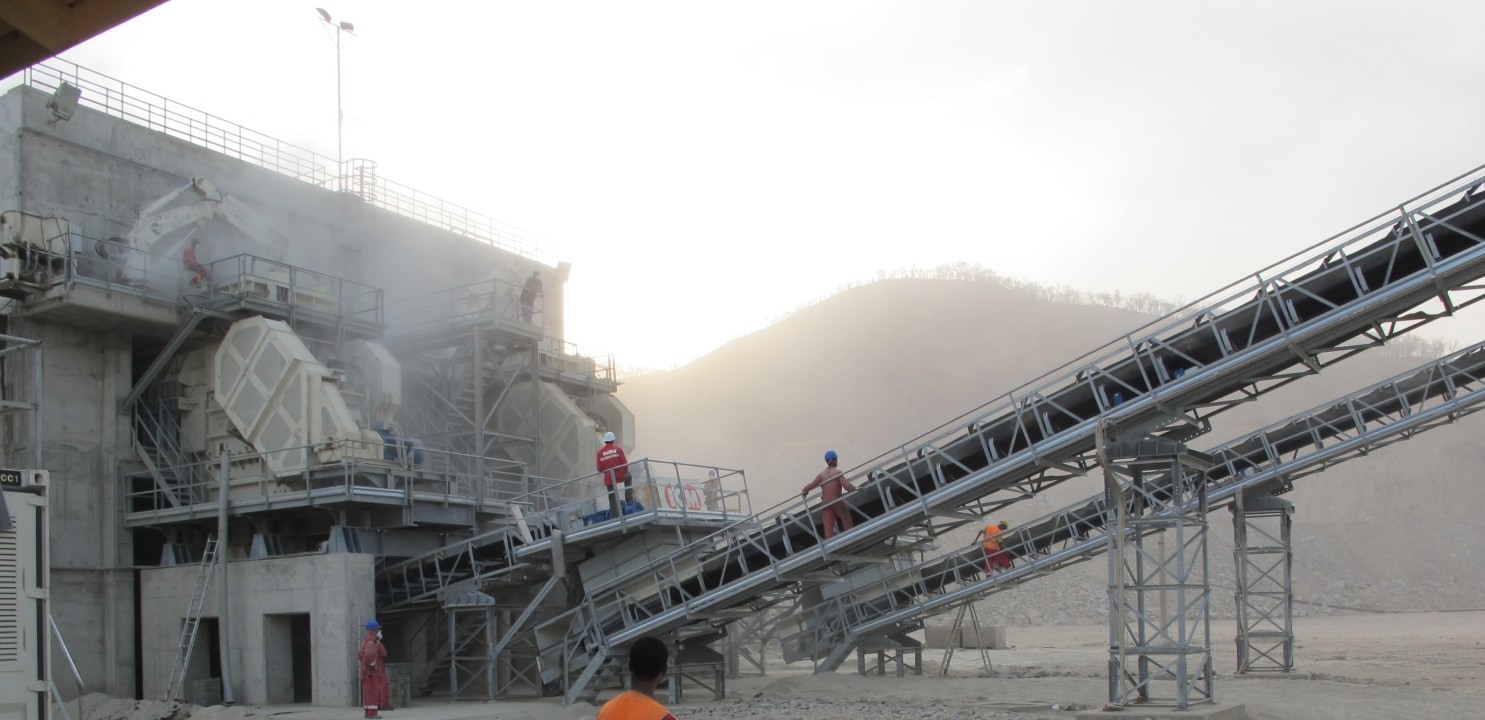
Granite is one of the most abrasive and difficult-to-process materials in the aggregate sector. The feed size up to 1,100 mm required a three-stage crushing process, precisely engineered to progressively reduce rocks to the three required product classes: 0/6, 6/20 and 20/50.
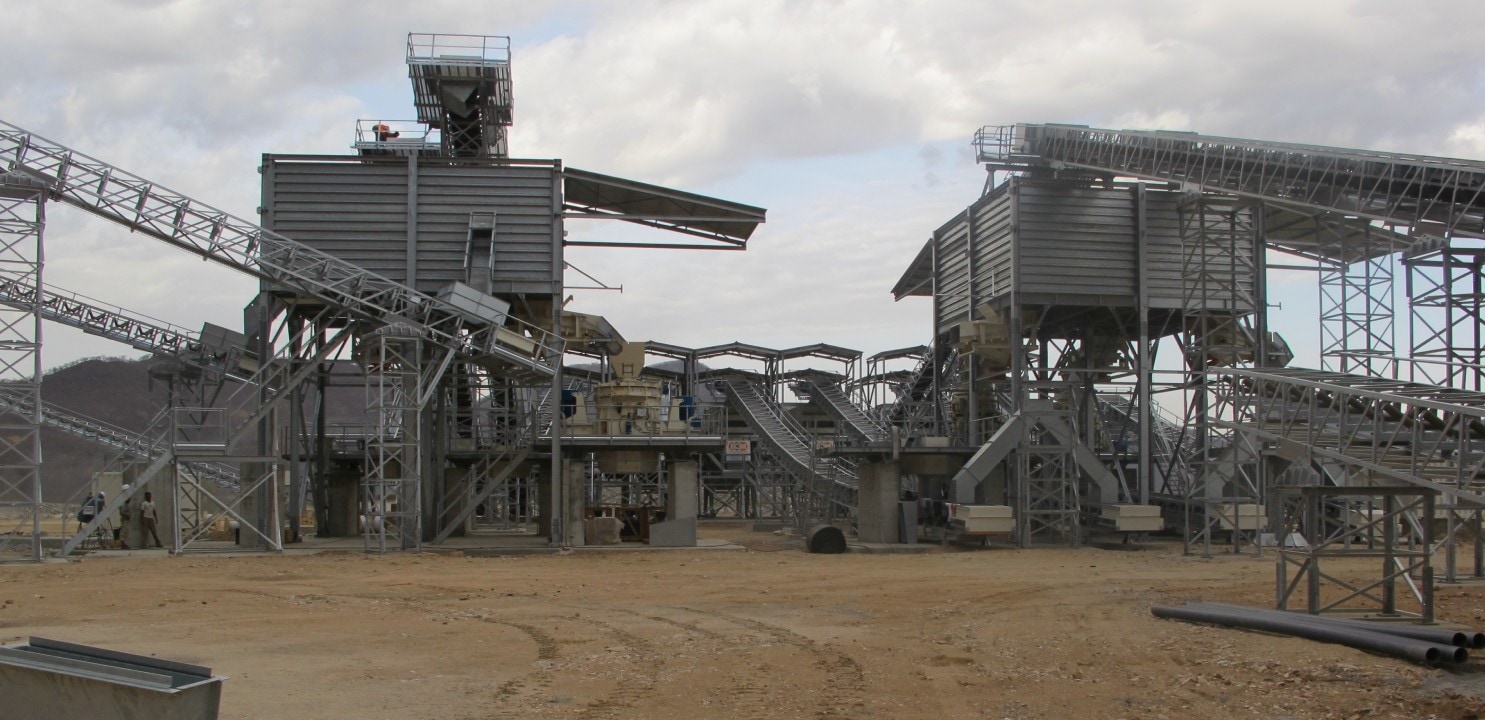
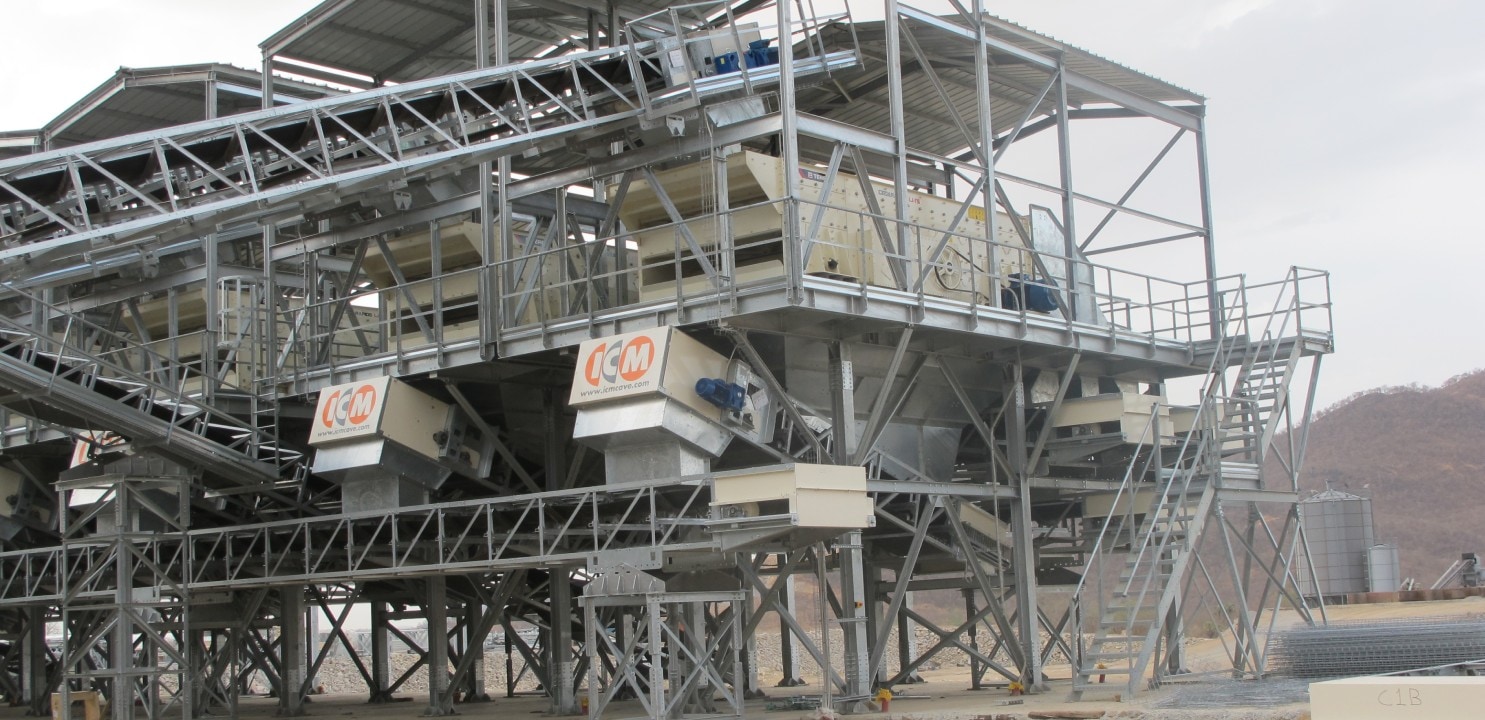
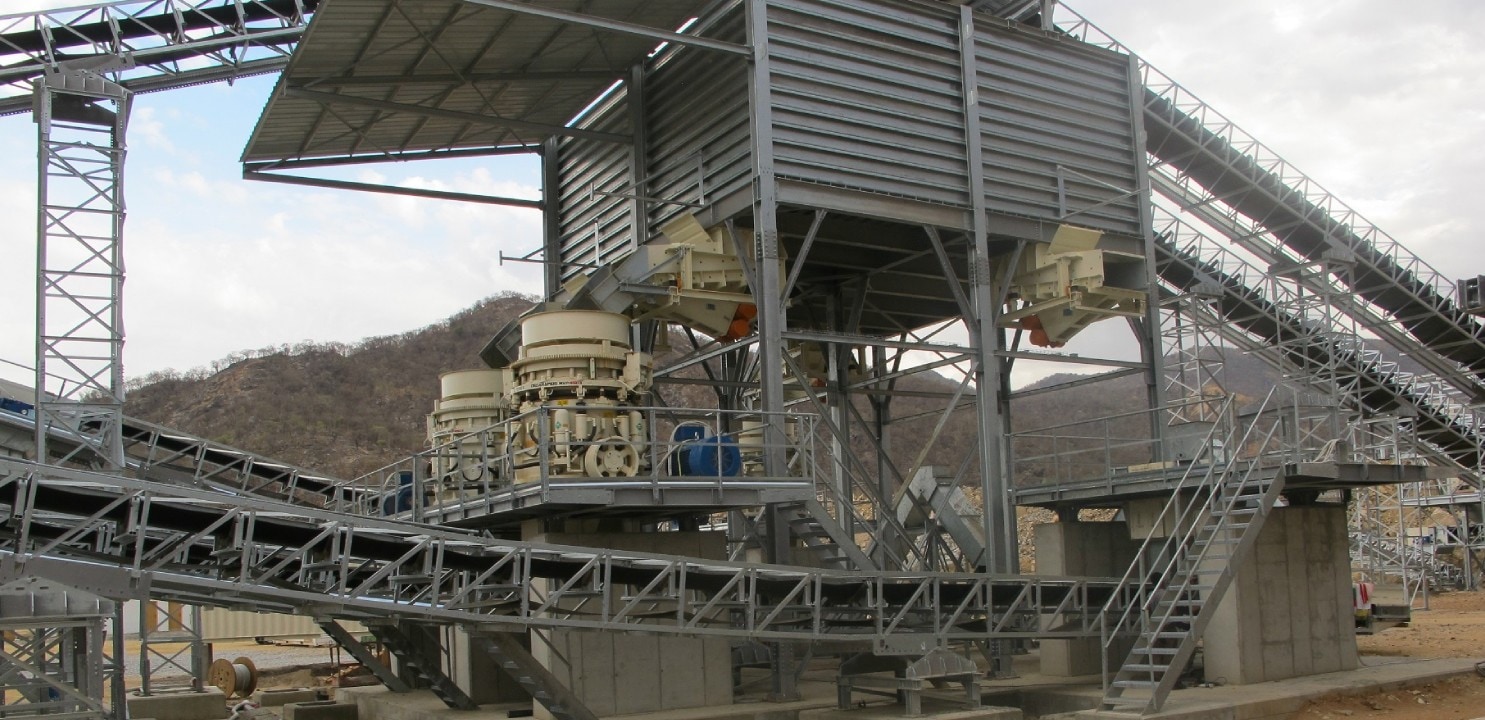
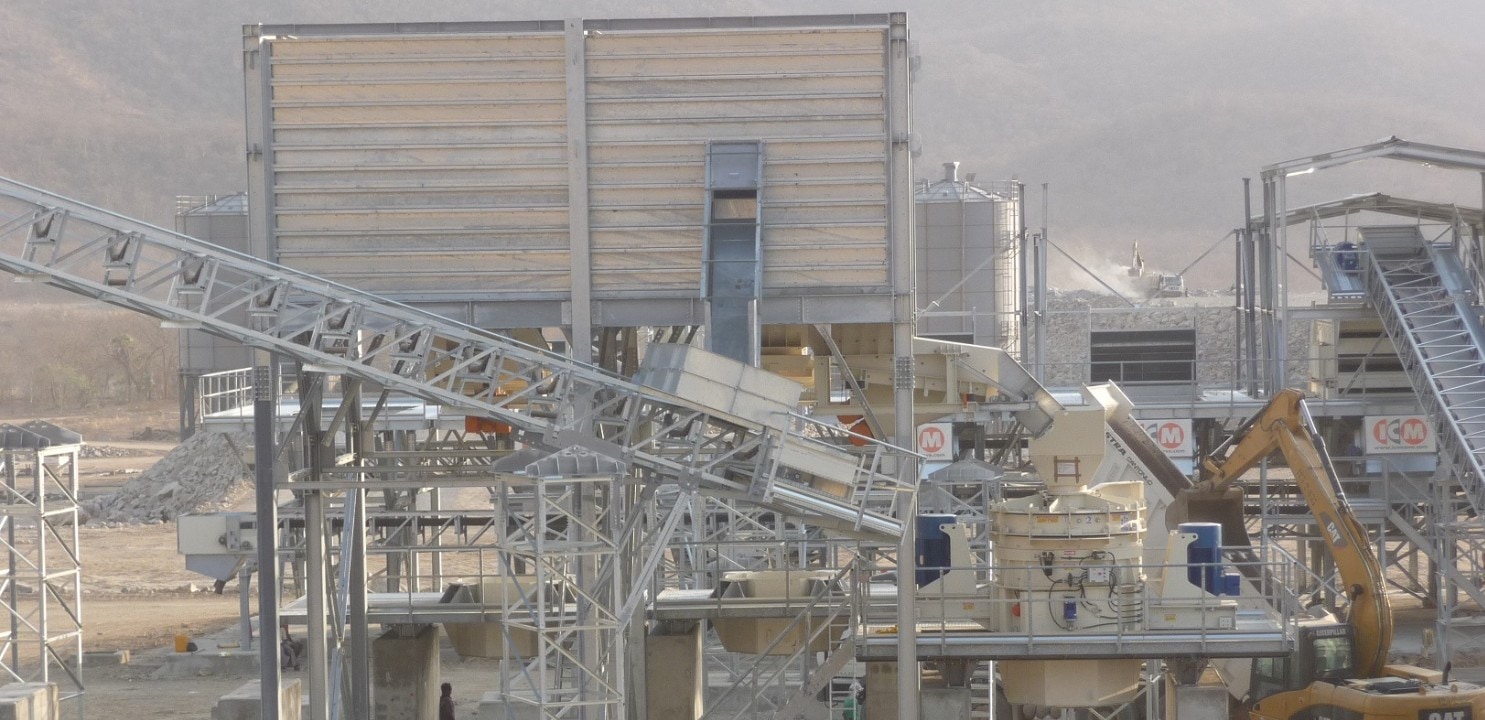
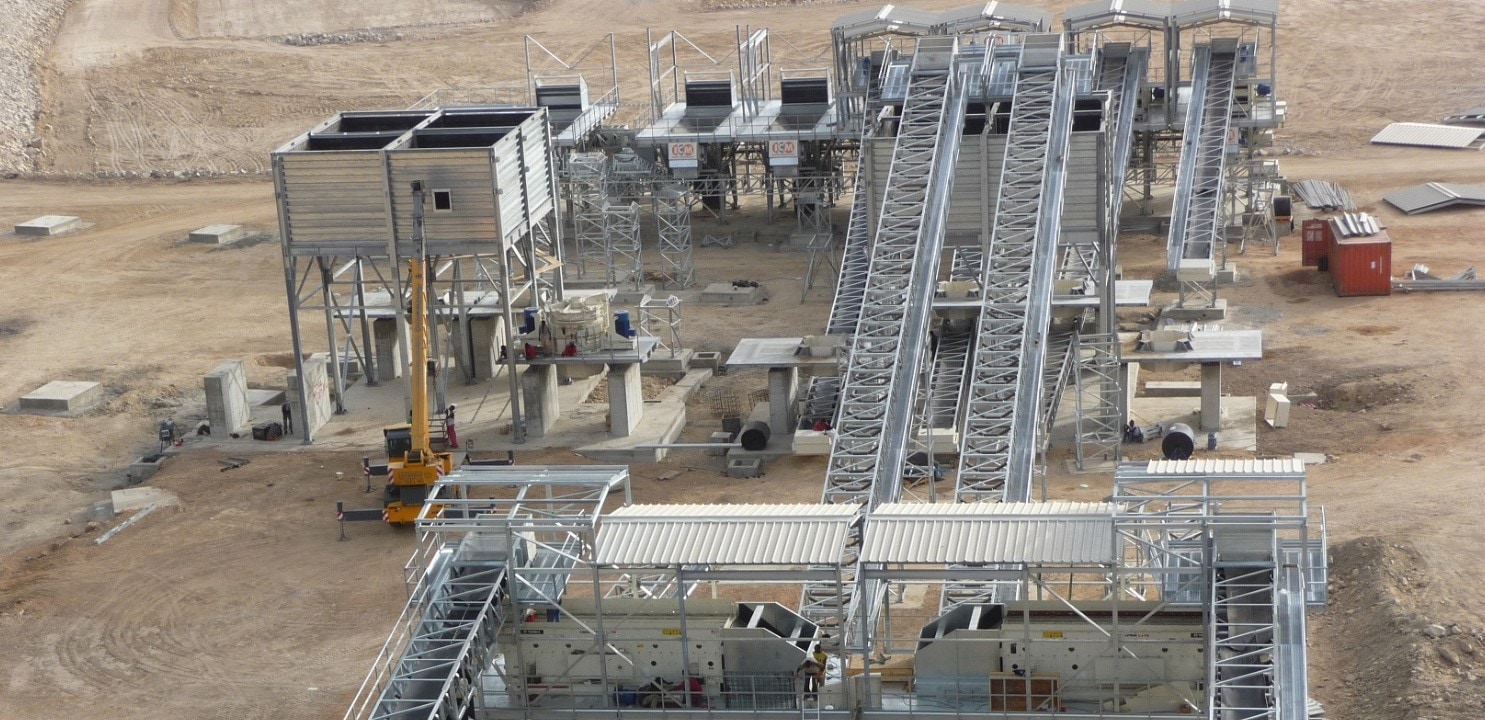
The choice of machinery was not determined by the catalogue, but by an analysis of the material and the production objectives. The primary crushing stage using a JC 54.60 jaw crusher handles the initial reduction in particle size. Secondary and tertiary crushing using two MVP 450 units and the T-MAV 21 ICM ensures the quality and consistent particle size distribution required for RCC concrete. The TSH screening system completes the process by accurately separating the different classes.
Not just aggregates: RCC conveyors for transport to the dam
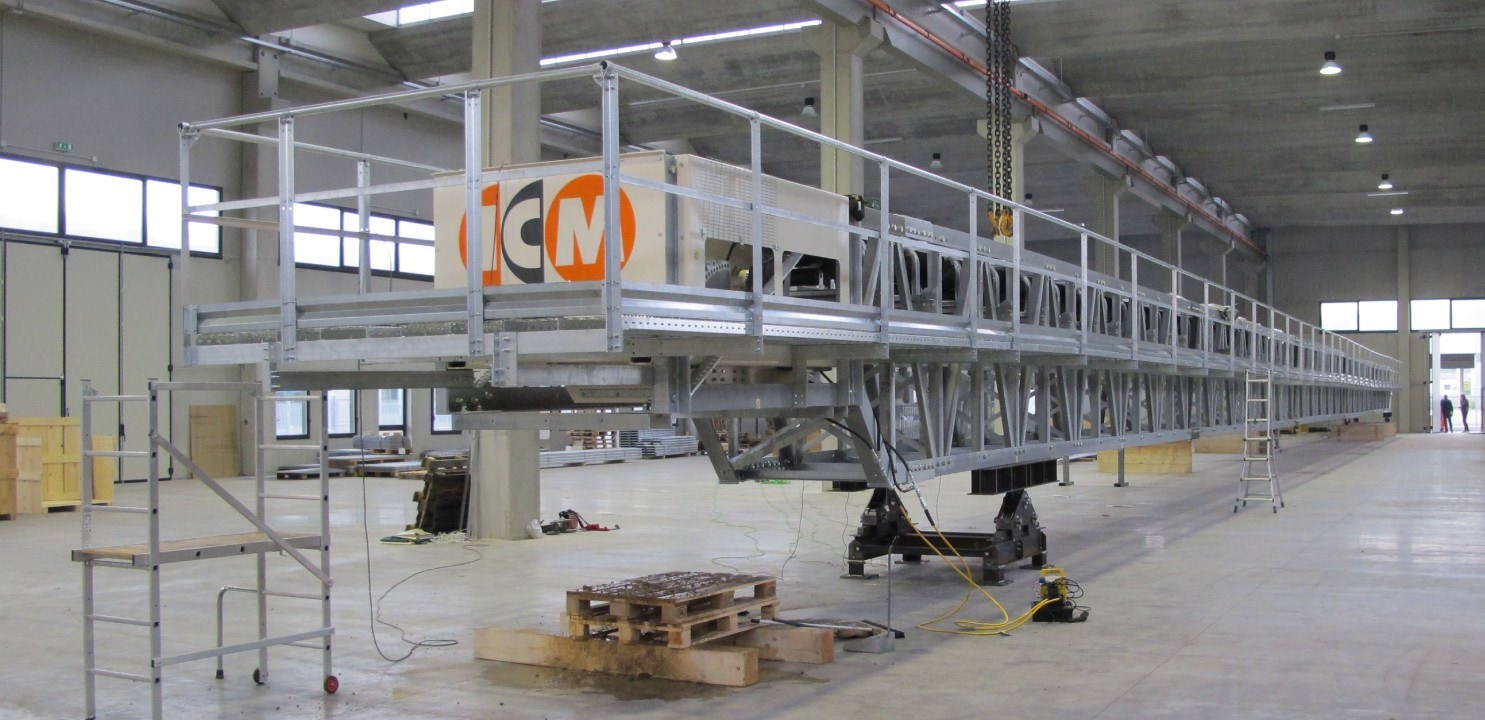
ICM did not merely supply the crushing and screening system. It also designed and supplied the conveyor lines for handling RCC from the concrete plant to the dam, with a clear span of 40 metres and a capacity of 1,500 t/h.
This supply provides a concrete proof of the ICM approach: the project did not just involve the aggregate production system, but it extended to the last stage of the production process. All system components, from the quarry to the final structure, were designed in line with the overall objectives of the construction site.
Operating in extreme conditions
Ethiopia presents logistical and operational challenges that characterise few other places in the world: limited infrastructure, vast distances from supply centres, difficult climatic conditions and a rapidly expanding site with strict time constraints.
The modular design of ICM systems, which feature prefabricated, standardised bolted structures, made it possible to transport, assemble and commission the system even in these conditions. The same method applied to Panama, adapted to a completely different context yet with the same result: a production system operating within the timeframe required by the construction site.
The results: 2,000 t/h of certified aggregates for Africa’s largest dam
The system produced the aggregates required for the construction of the GERD’s RCC at a capacity of 2,000 t/h, meeting the three required particle size classes and ensuring the product consistency essential for a structure of such complexity and strategic importance.
The RCC conveyors ensured the continuous transport of concrete from the plant to the dam, with a throughput of 1,500 t/h over a clear span of 40 metres: a critical factor in maintaining the pouring rates set out in the construction schedule.
The Ethiopia project demonstrates ICM’s ability to operate using the same approach and the same quality standards in geographical and logistical contexts that are completely different from those in Europe.
What the Ethiopia project teaches us
- The material determines the choices: coarse-grained abrasive granite requires a crushing line that is precisely engineered, not simply assembled from catalogue parts. Studying the material comes first and foremost.
- The quality of aggregates for RCC is non-negotiable: consistent particle size distribution is a structural requirement, not a commercial objective. The system must be designed to ensure this on a continuous basis.
- The scope of the project is the process, not the machine: ICM also supplied the RCC conveyors, as its approach does not stop at the crushing plant. The value lies in the complete system.
- Modularity scales to any context: the same construction method used in Panama proved successful in Ethiopia. Standardised, bolted structures eliminate variables on site, wherever the site may be.
The plant
The project on video
Are you planning an aggregate system in a complex environment?
Whether your project is in Europe or in an emerging market, and whether the material is granite, limestone or basalt, ICM’s approach always begins with an analysis of the material and the production objectives, not from the catalogue.