
Expansion of the Panama Canal
The project at a glance
The challenge: aggregates for one of the major infrastructure projects of the century
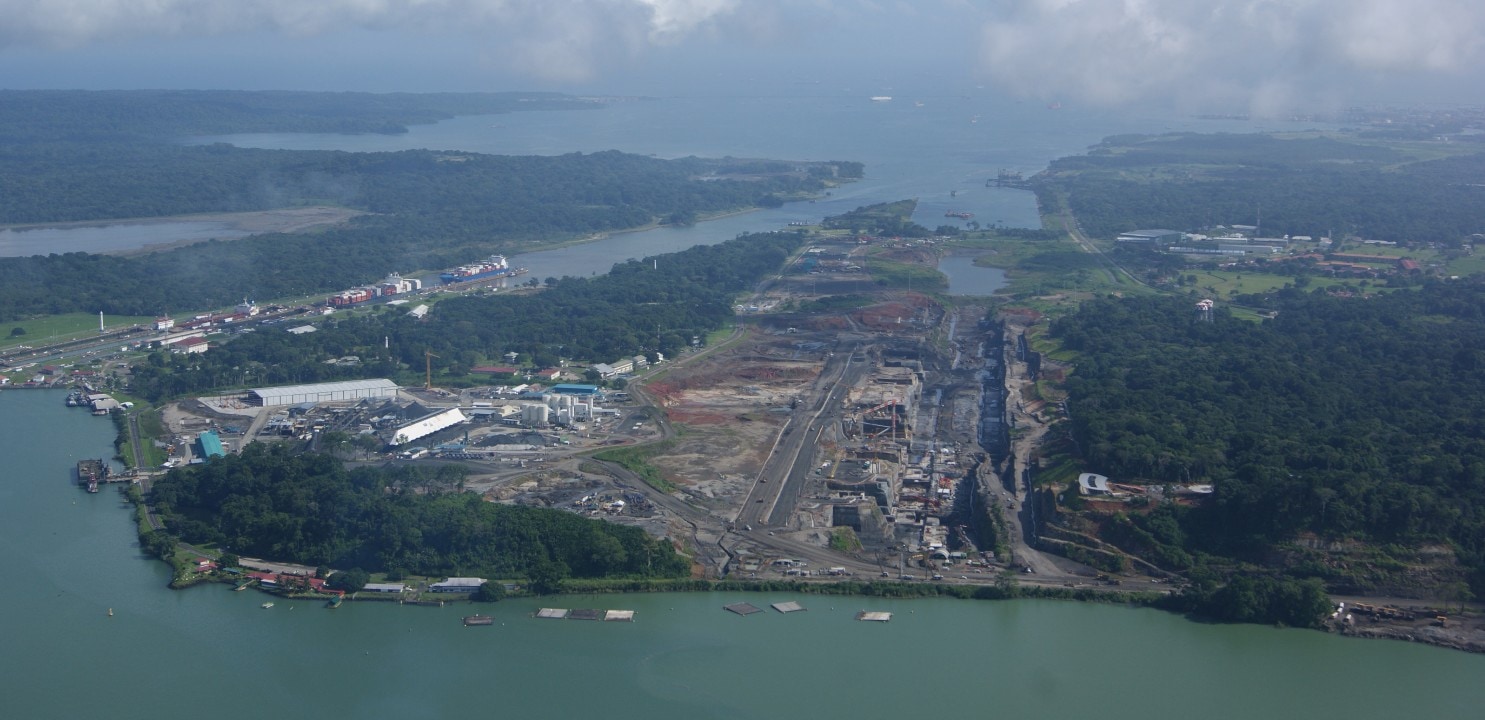
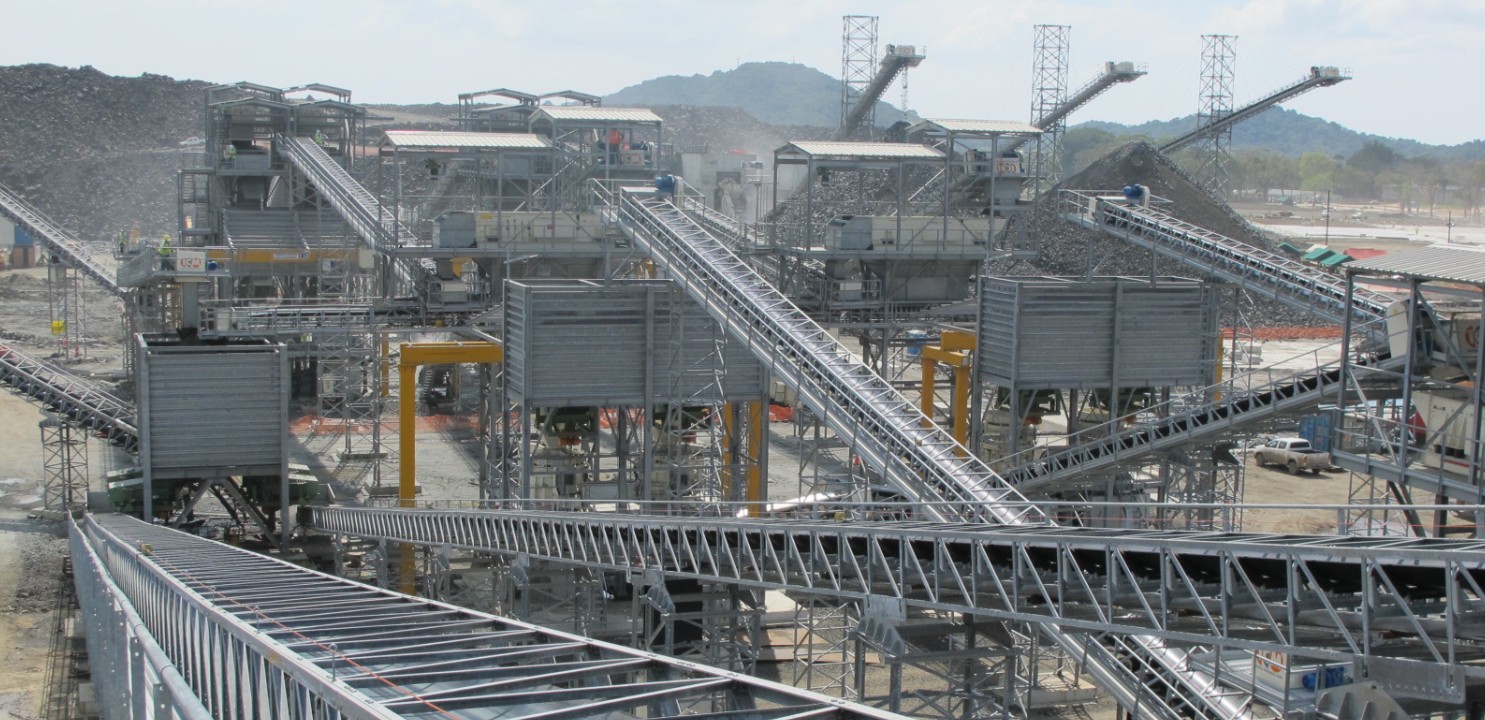
The expansion of the Panama Canal is one of the most ambitious infrastructure projects of the 21st century. Enormous quantities of high-quality aggregates were required to build the new containment chambers on the Pacific and Atlantic coasts, for use in the production of structural concrete.
The challenge was not just one of scale, as time was of the essence. The project schedule left no room for error: the aggregates had to be produced on site, at full capacity, using crushing and screening systems that had to be designed, built, shipped, assembled and commissioned within an extremely tight timeframe.
ICM has been selected to design and deliver two complete system: one in Miraflores, on the Pacific side, and one in Gatún, on the Atlantic side. Total value of the contract: 37 million dollars.
The ICM approach: engineering systems, not just plants
First the materials, then the machines
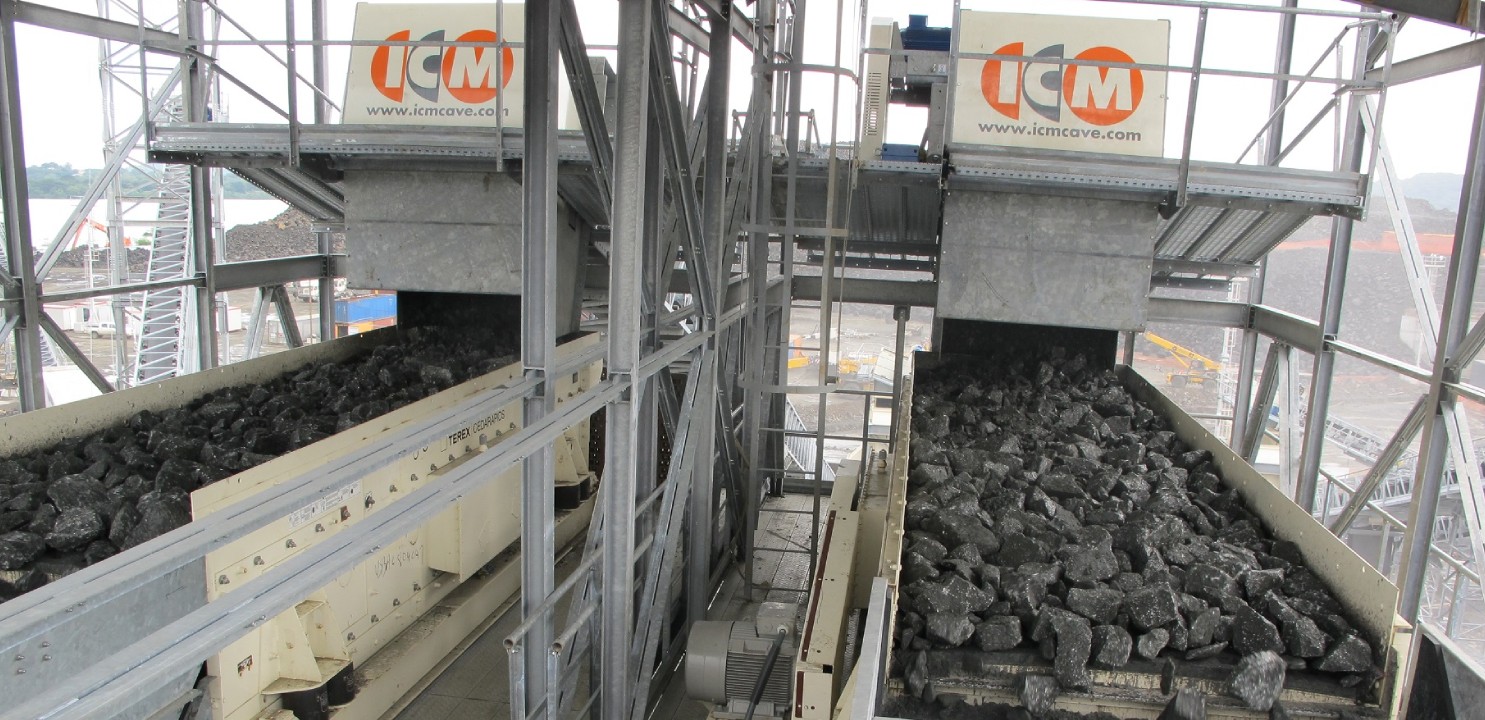
Every ICM project begins with a process study: an in-depth analysis of the input material, the required product classes and the necessary production volumes. For Panama, this meant designing two systems capable of producing certified aggregates for structural concrete with a combined instantaneous capacity of the two plants of 4,800 t/h, and consistent, controllable particle size distributions.
The quarry was treated as a system: from the rock at the quarry face right through to the finished aggregate classes at the concrete plant. An integrated process designed to reduce waste, eliminate unnecessary handling and maximise the amount of material produced per tonne of rock extracted.
Modular engineering: designed in Italy, assembled in Panama
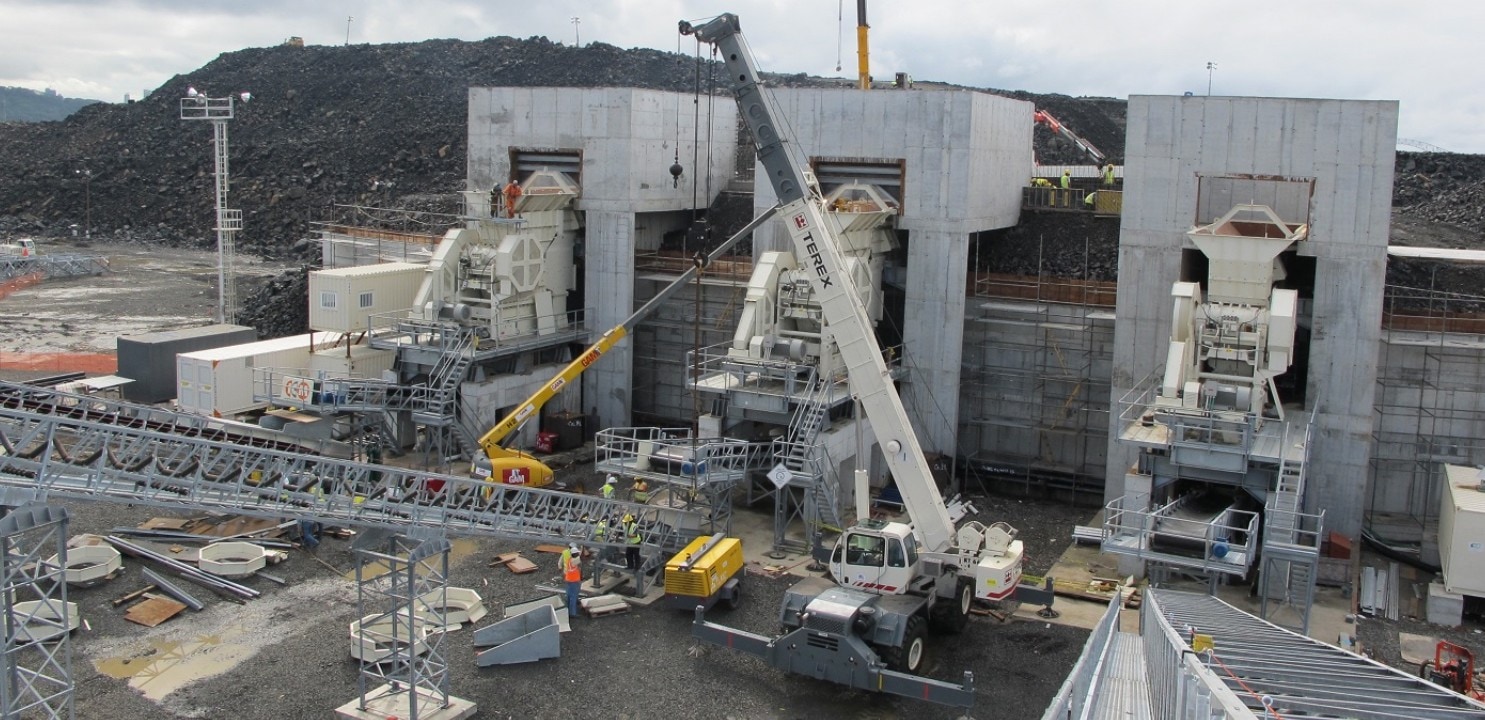
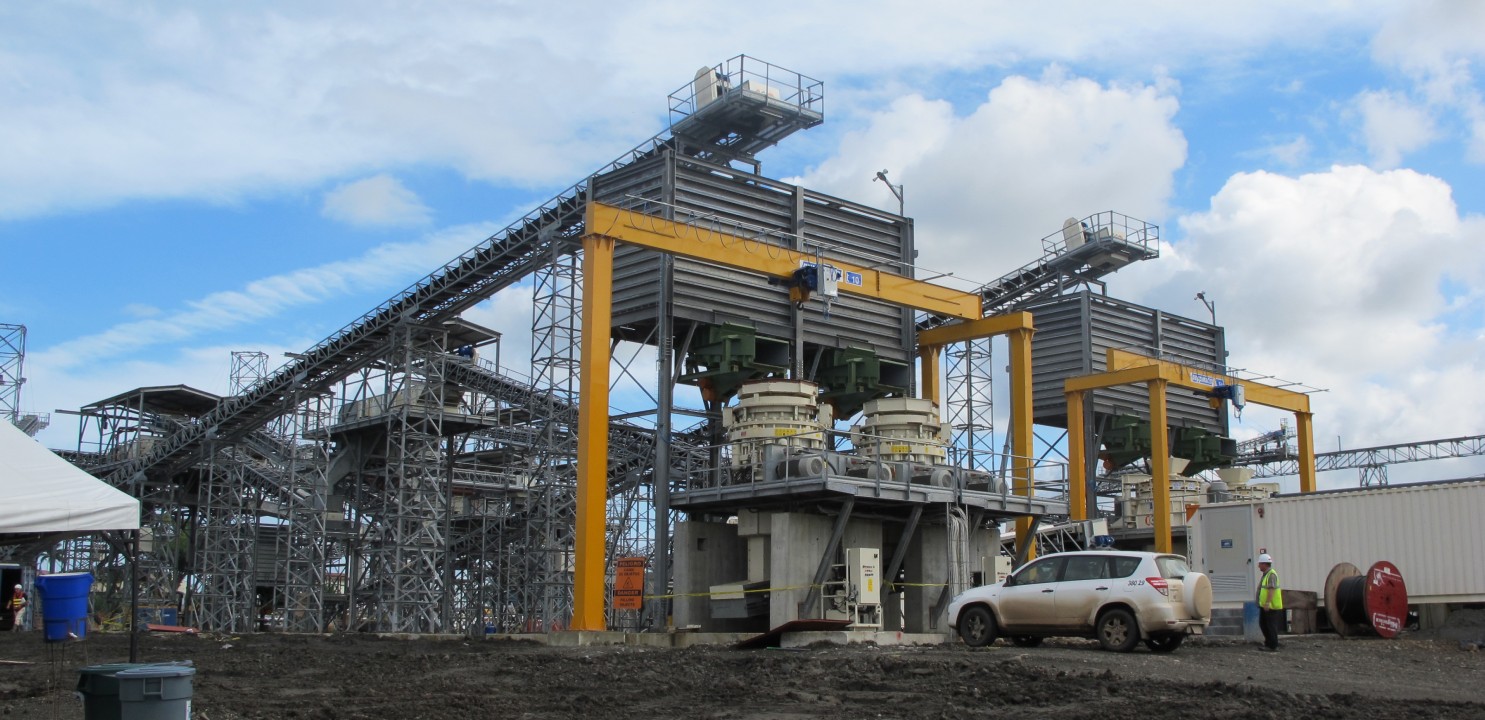
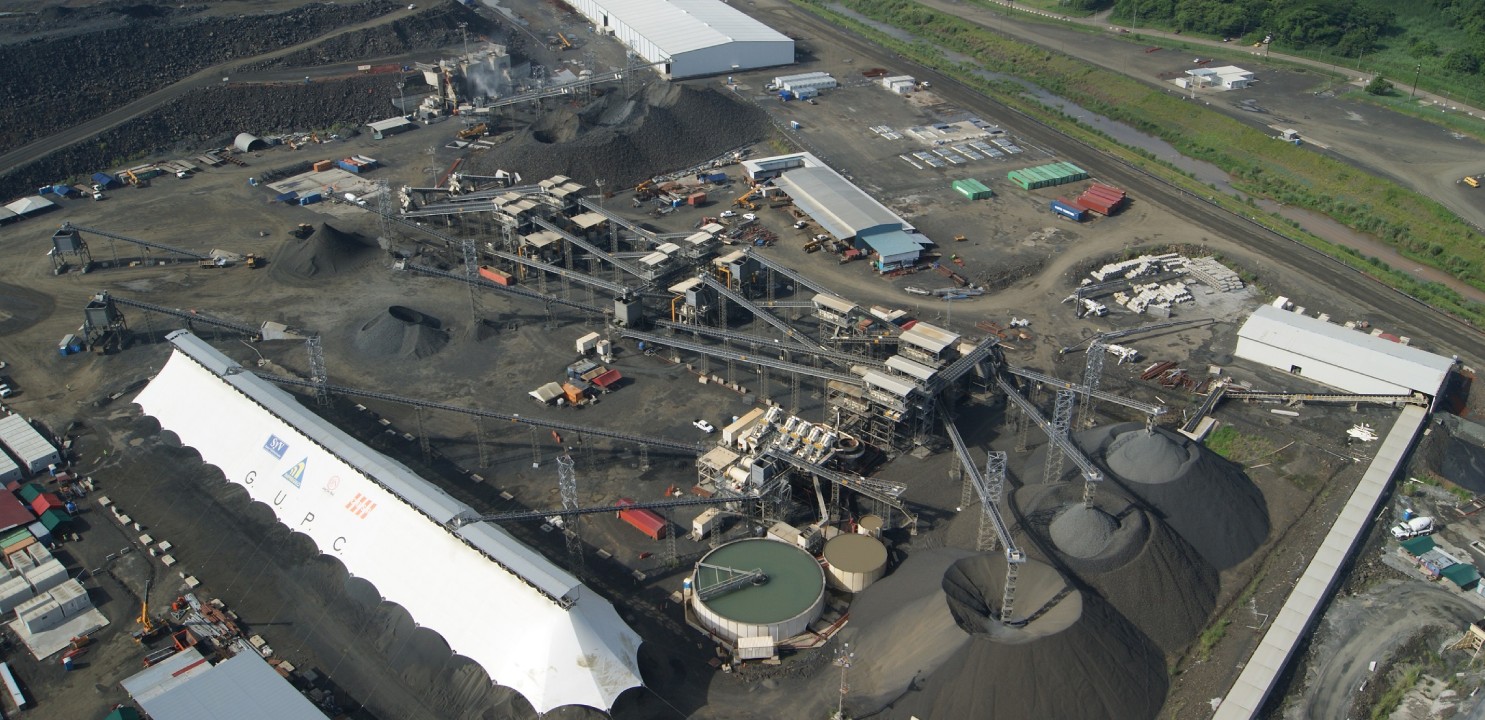
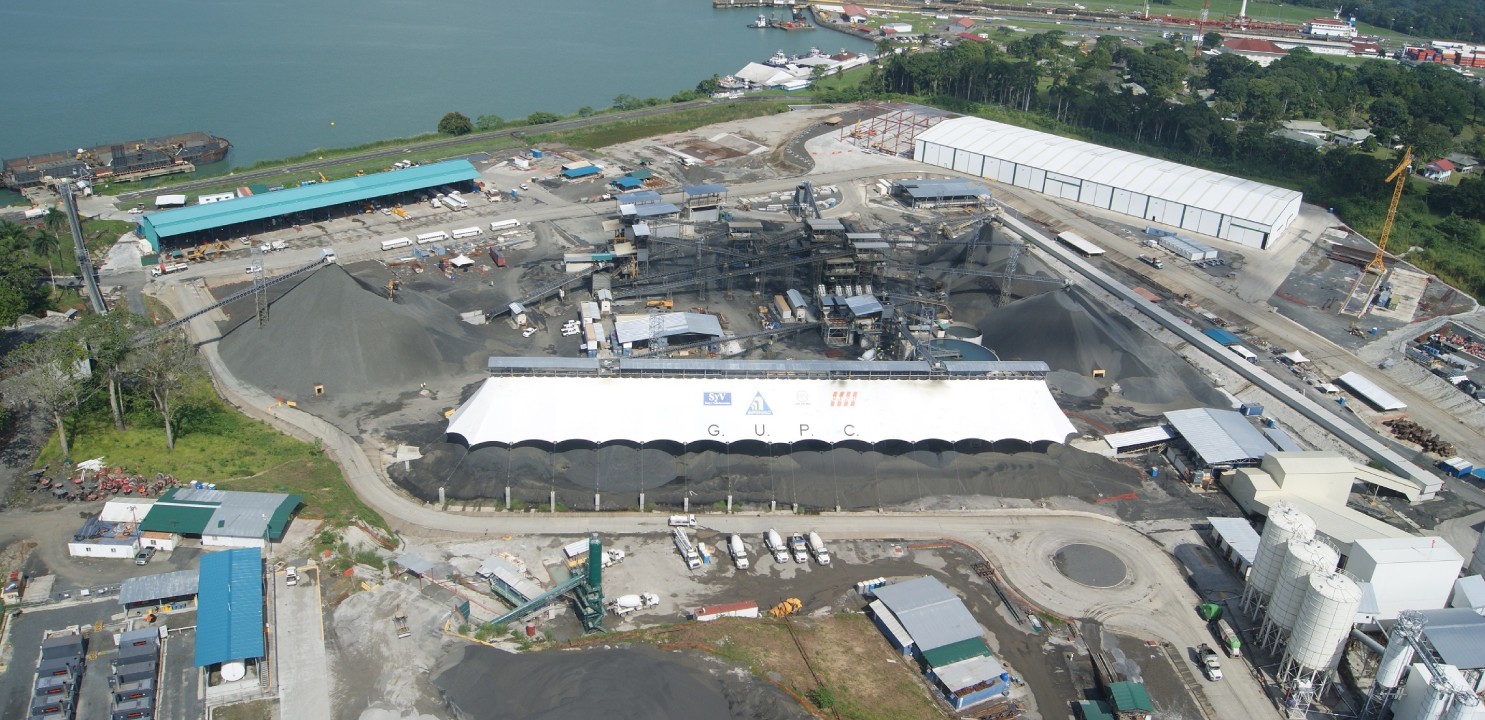
One of the distinctive features of the Panama project was its engineering-based approach to construction and logistics. ICM designed the entire system using modular, bolted steel structures manufactured in Italy and shipped to Panama.
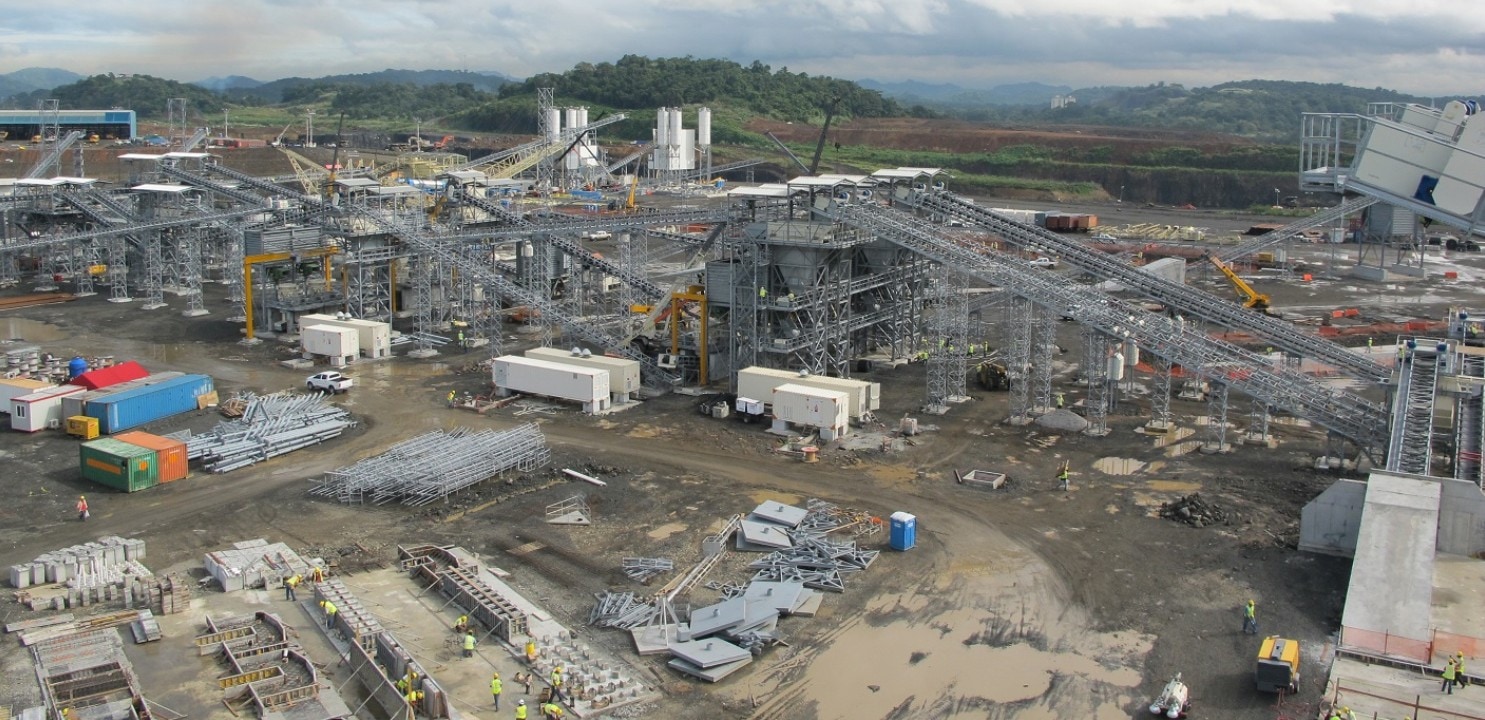
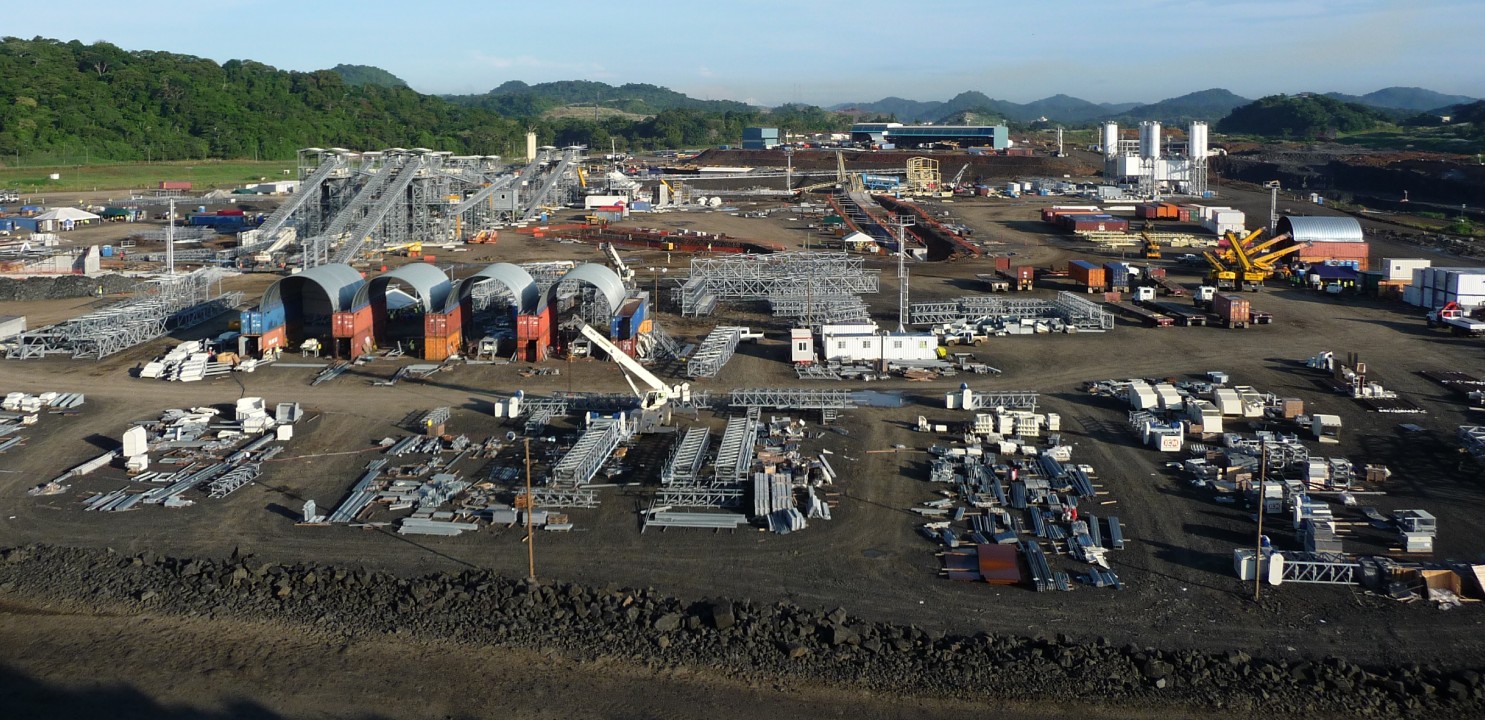
290 containers left Italy carrying the components for the two complete plants. The structures were engineered with pre-drilled connections and standardised interfaces: on-site assembly did not require any welding, thereby drastically reducing time, costs and the need for skilled labour on site.
On the Pacific coast alone, the pre-assembly area covered 30,000 m2 where components were positioned, checked and prepared before being hoisted into their final positions.
The same applied to the Atlantic coast, which had a smaller pre-assembly area.
Speed as a result of the method
The system was built and shipped from Italy in just 4 months, between February and May 2010. On-site installation and commissioning at both sites were completed within six months, from June to December 2010.
This record-breaking timeframe was achieved thanks to a structured engineering approach: standardised components, carefully planned logistics, software for mapping parts on site – which eliminated downtime spent searching for materials across a 30,000 m² site – and a project management process that left no room for improvisation.
The results: a record that still stands
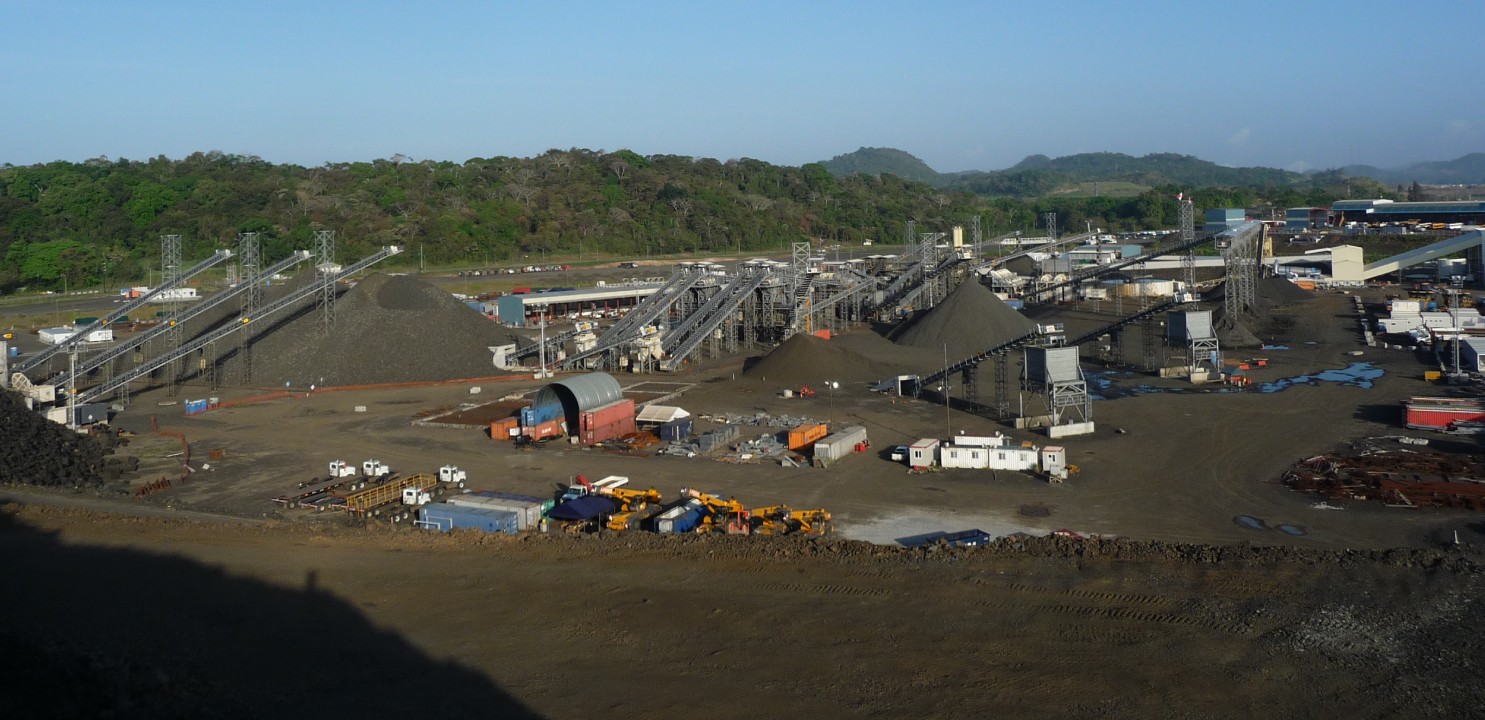
The Miraflores system, with a production capacity of 3,300 t/h, remains one of the largest and fastest crushing and screening systems ever delivered worldwide. The Gatun system added a further 1,500 t/h on the Atlantic side, bringing the total installed capacity to 4,800 t/h across the two sites.
Both systems produced the aggregates required for the structural concrete of one of the most demanding engineering projects in modern history. The expansion of the Panama Canal was inaugurated in June 2016.
For ICM, the Panama project was the clearest demonstration of what the company’s design philosophy can achieve at the highest level of complexity: a system designed around the process, not around individual machines, delivered with a speed and precision that only a structured approach can achieve.
Are you planning a crushing and screening system?
Whether you are planning a new system , considering a significant expansion of capacity or managing the supply of aggregates for a major infrastructure project, the ICM approach always starts with the same question: what is your material and what is your production target? Everything else is built on that foundation.
The plant
The project on video
Get in touch if you want to boost the efficiency and profit margins of your quarry
Request a process analysis: we’ll analyse your workflow, identify wastes and set out a measurable technical plan. Feel free to contact us, under no obligation.