
Passante di Valico
The project at a glance
The challenge: certified basalt aggregates for a major infrastructure project
The Passante di Valico is one of the largest infrastructure projects in Italy in recent decades: a motorway upgrade project on the Tuscan-Emilian Apennines which required significant volumes of aggregates for structural concrete, asphalt and backfill, with stringent technical specifications and a schedule that allowed for no interruptions in the supply of materials.
The available material was basalt: one of the hardest and most abrasive volcanic rocks in the aggregates sector, with excellent mechanical properties for road and structural applications, but one that requires machinery and system configurations specifically designed to manage its abrasiveness without compromising production continuity and the quality of the output.
The specific challenge was to produce five washed particle size classes, including sand with a controlled fineness modulus at a rate of 500 t/h. This is no easy feat when processing basalt: it requires a precisely engineered tertiary crushing configuration, an integrated washing system and careful management of the flow balance between the various stages of production.
The ICM approach: multi-VSI configuration for certified basalt sand
Basalt and sand production: why three VSI crushers are needed
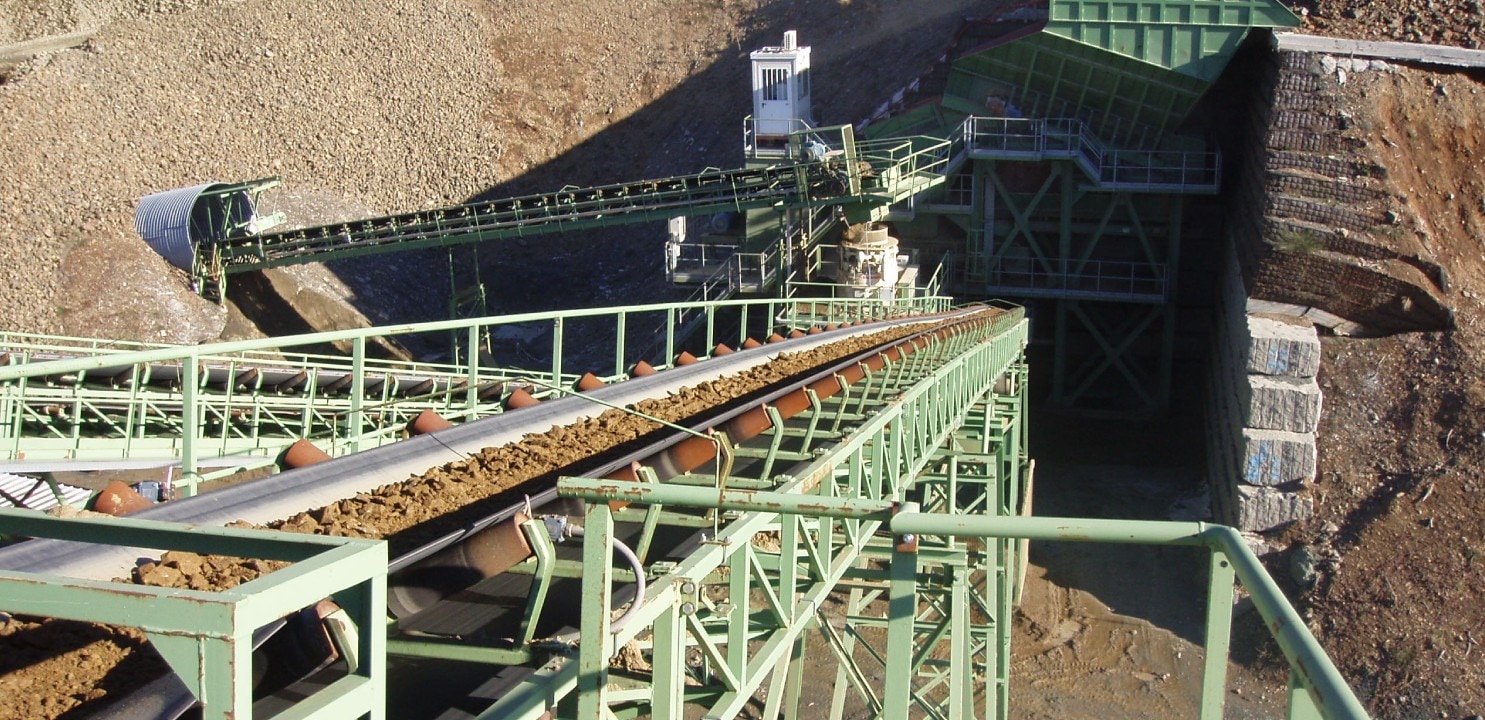
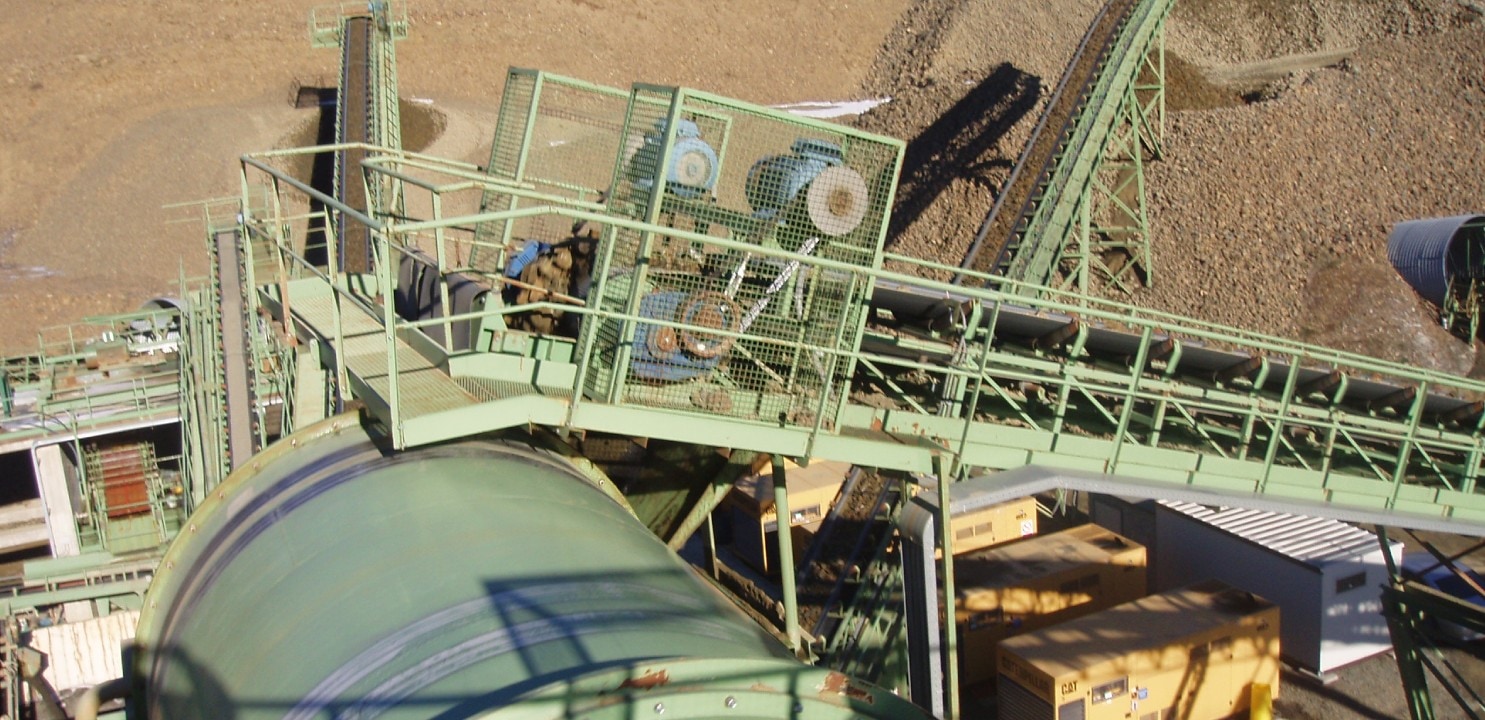
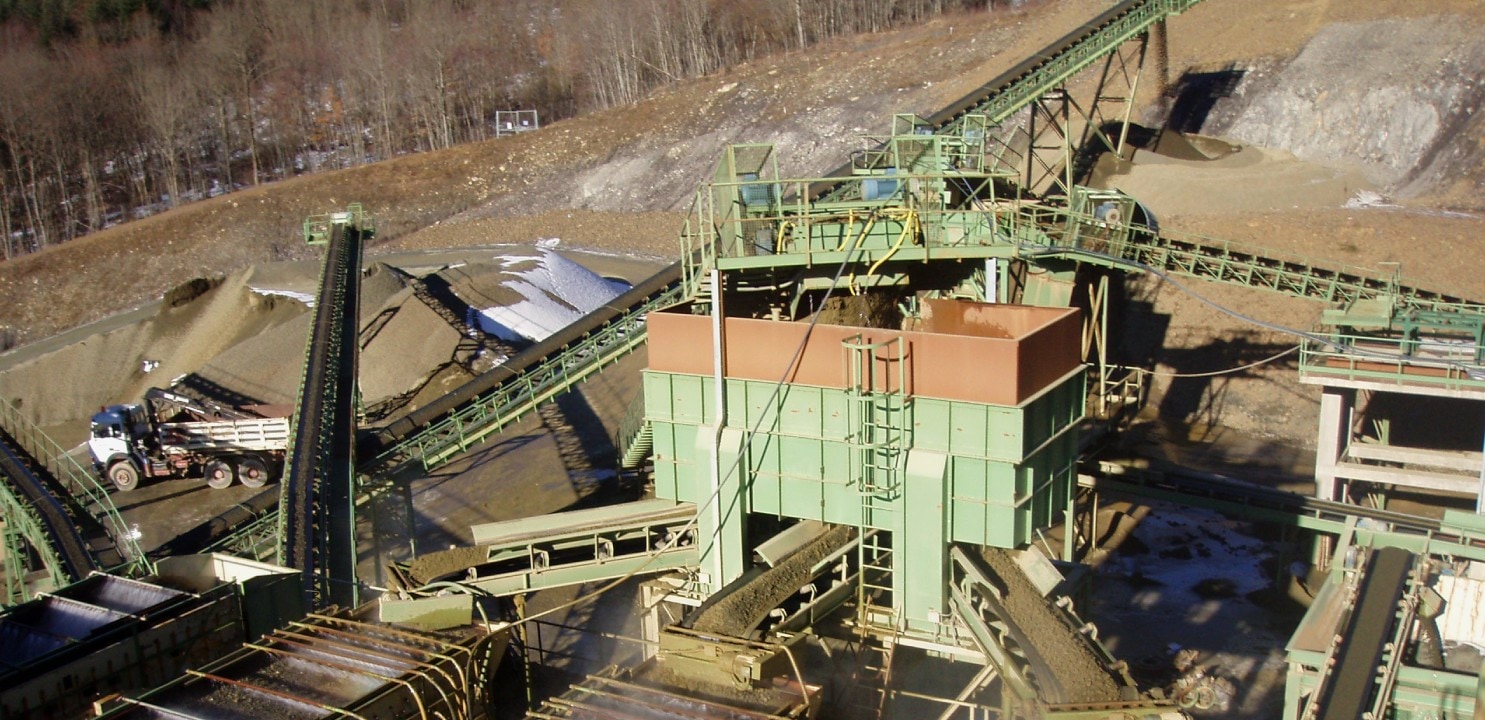
The most significant choice in the configuration of the Passante di Valico system was the use of three VSI vertical-shaft impact crushers in the tertiary crushing stage: one Cedarapids 2100 VSI and two Cedarapids 1800 VSI units, complementing the RC 45II cone crusher in the secondary stage.
Due to its hardness and abrasiveness, basalt wears down parts more quickly than other materials. A configuration comprising several VSI crushers connected in series and in parallel makes it possible to distribute the production load, maintain a continuous flow even during routine maintenance operations, and ensure that the particle size distribution of the sand remains consistent over time. A single high-capacity machine exposes the entire process to the risk of downtime in the event of maintenance work.
VSI machines produce impact-processed sand: the material is accelerated by centrifugal force and crushed in the crushing chamber, producing a cubic and uniform particle size distribution that is particularly well suited to the production of sand with a controlled fineness modulus. When used on basalt, this technology is the right choice for achieving a product that is certifiable and consistent over time.
Six screens for five classes: sorting forms part of the project
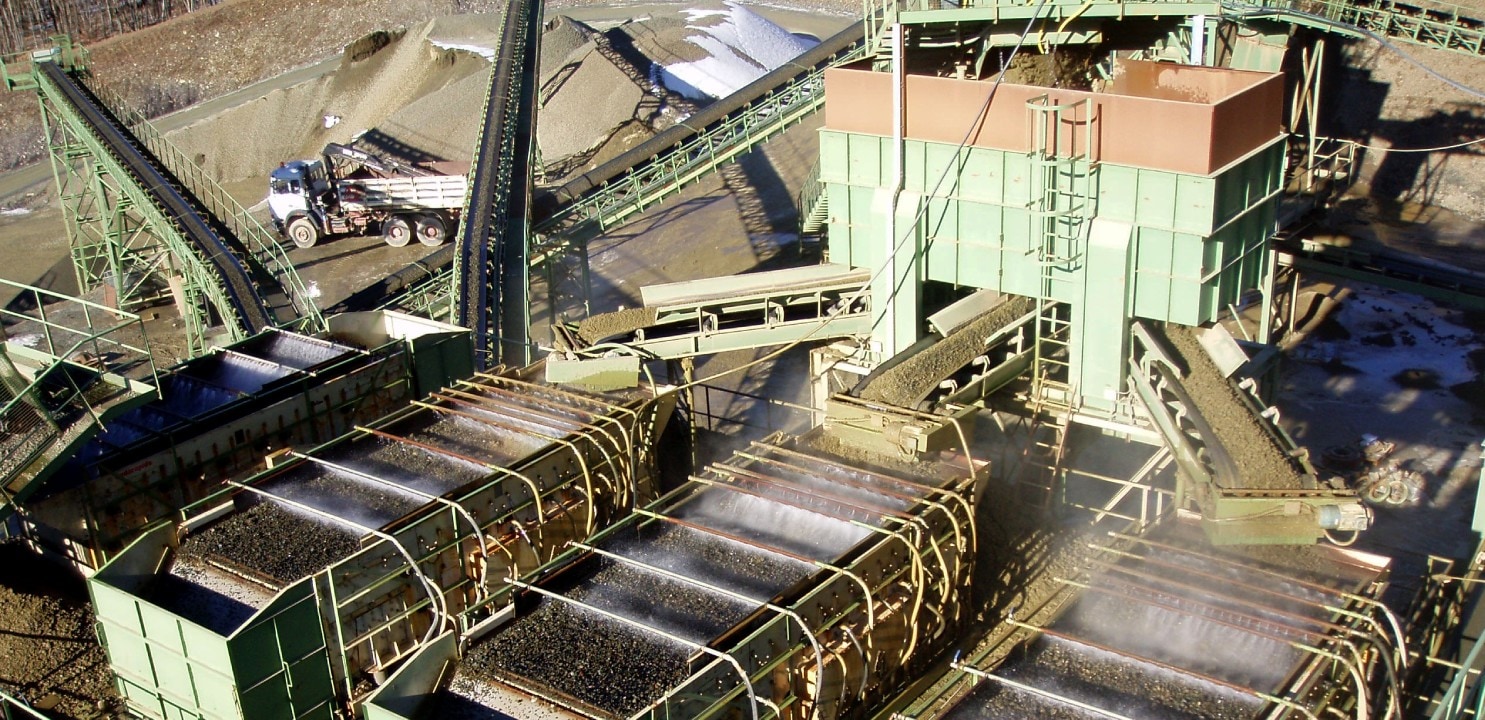
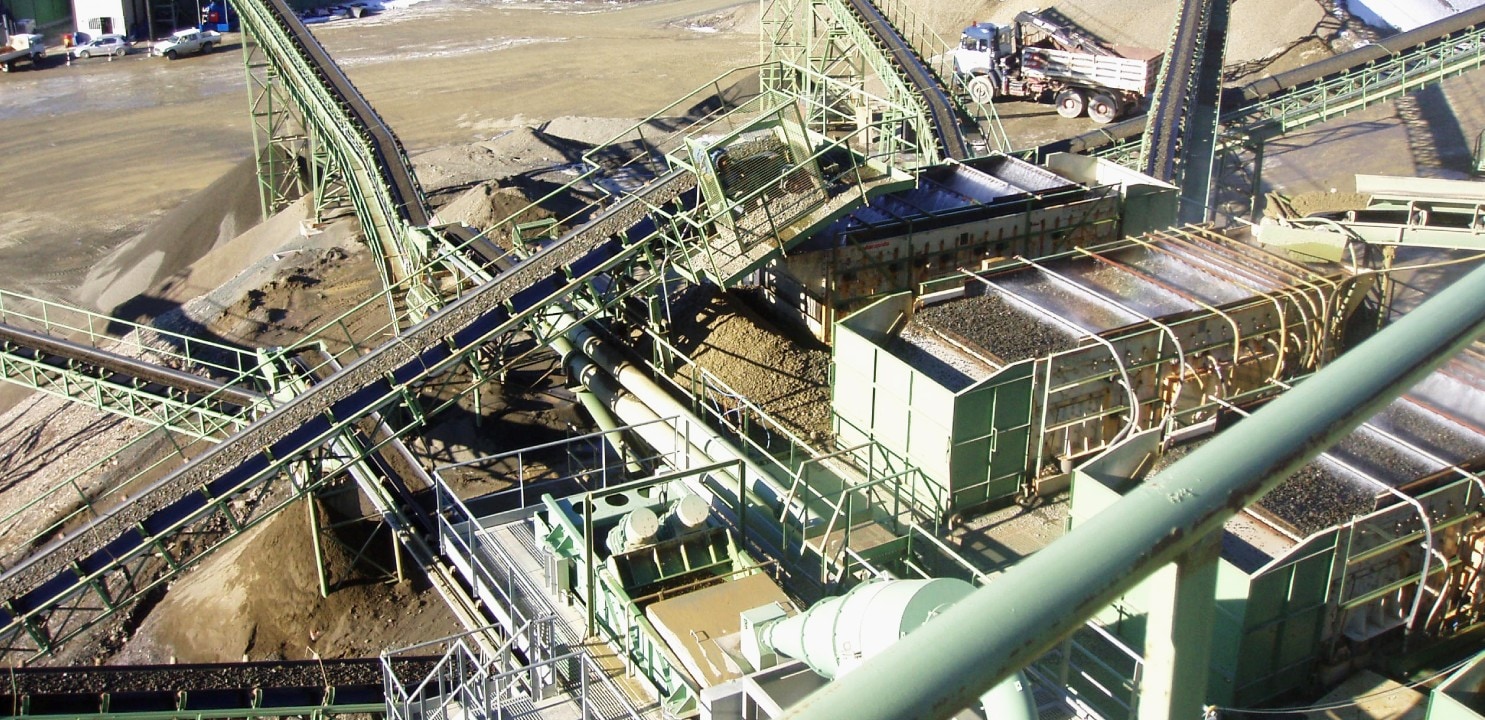
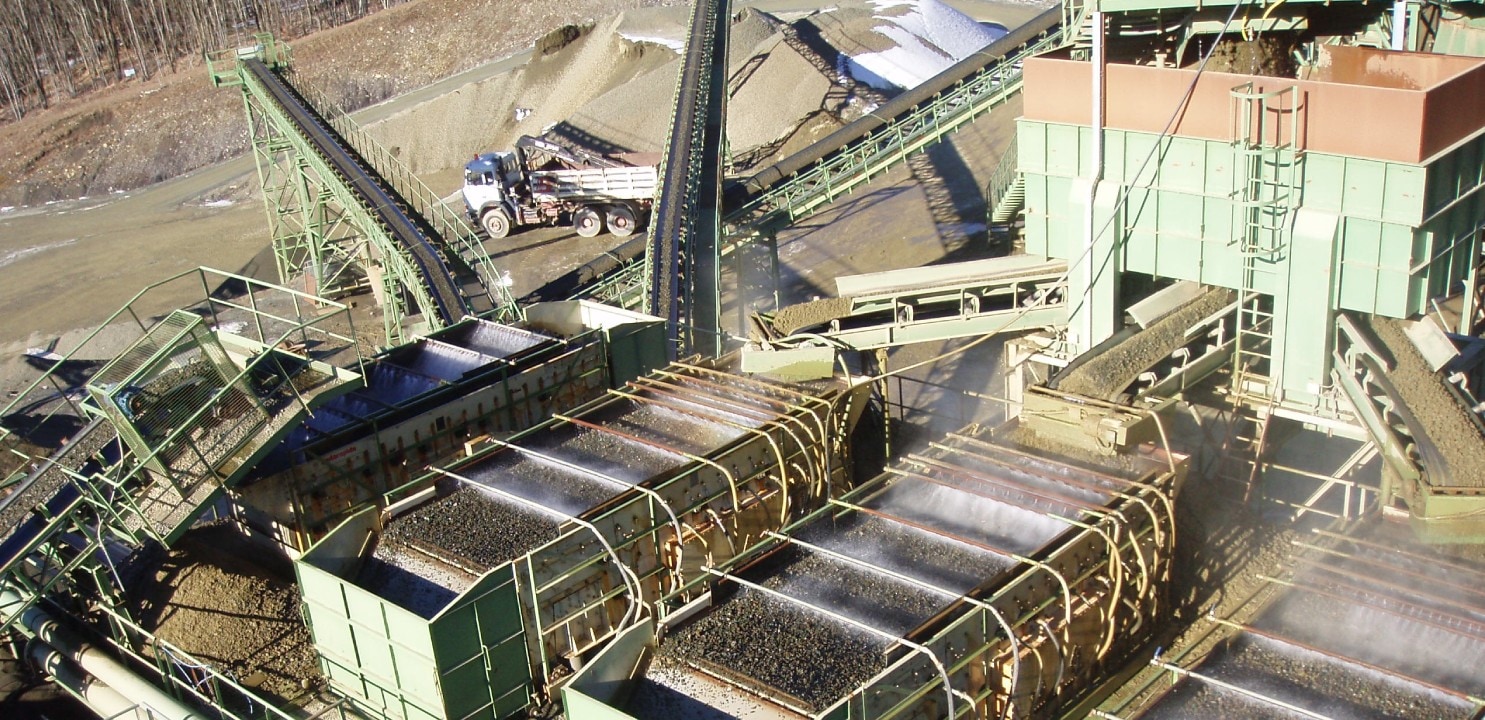
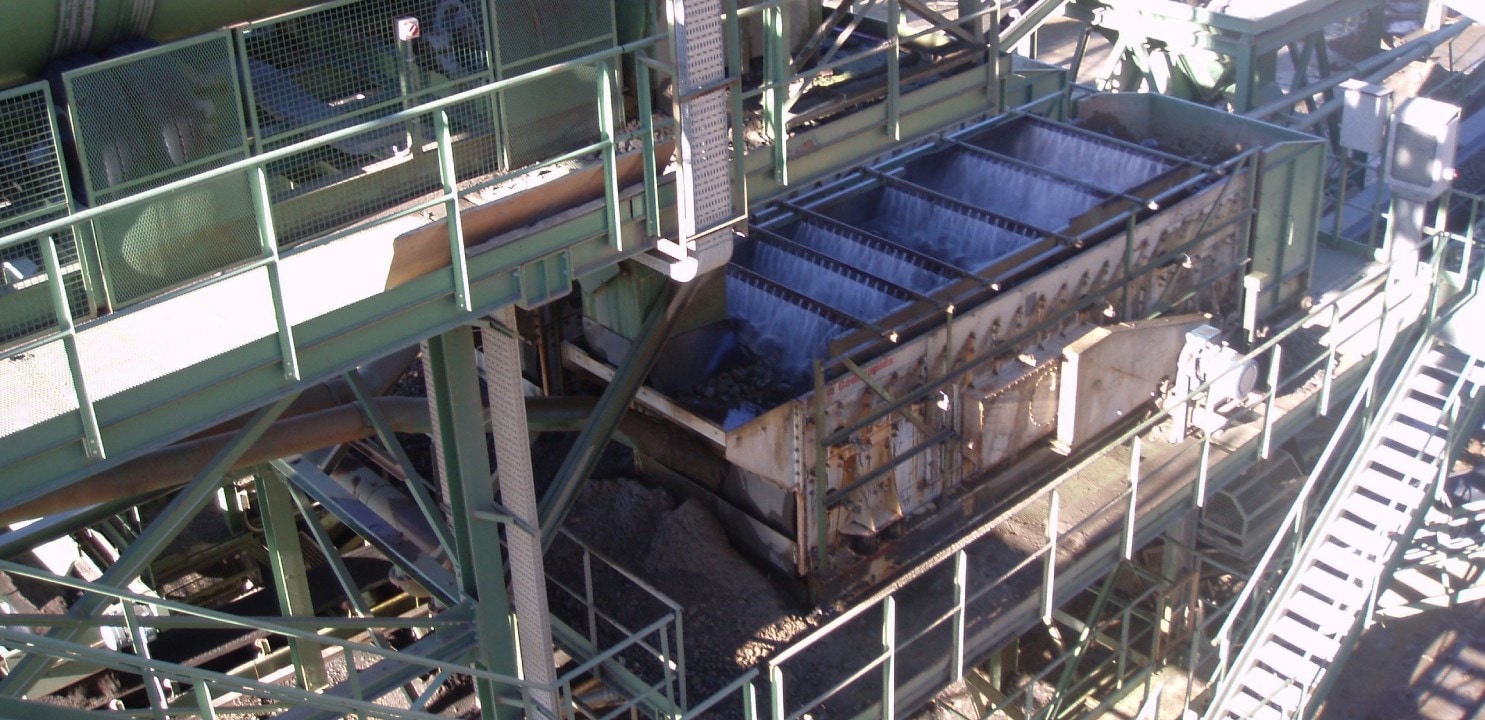
The configuration comprising six Cedarapids TSH screens, divided into two groups of three (three 6.20.3 screens and three 8.20.3 screens), reflects the complexity of the sorting required: five washed particle size classes, each with precise dimensions for the various applications on the site.
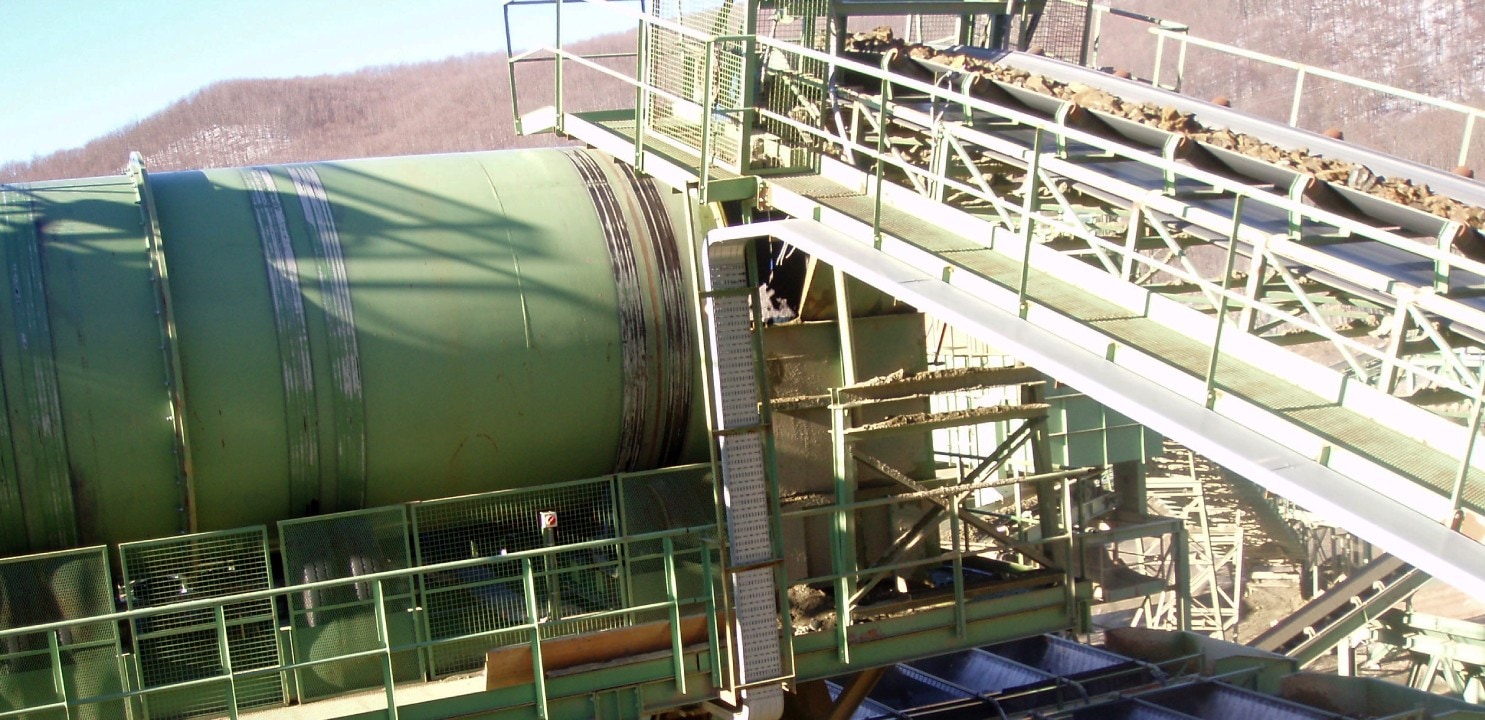
Washing forms an integral part of the process: when processing basalt, crushing generates a significant amount of fine material which, if not removed, alters the characteristics of the coarser classes and compromises the fineness modulus of the sand. Washing is not an additional process – it is a necessary stage in the production of aggregates that meet the specifications for a major infrastructure project.
The results: five washed classes and certified sand fineness modulus
The system produced the five required particle size classes (0/2, 0/5, 5/10, 10/20, 20/40 mm) at a rate of 500 t/h, all of which was washed and had sand with a constant, certifiable fineness modulus. The multi-VSI configuration ensured the production continuity required to supply the Passante di Valico site without any interruptions due to maintenance of the tertiary crushing machinery.
The project demonstrates how the choice of system configuration, and in particular the number and type of machines in the tertiary stage, is crucial to achieving certifiable quality and operational continuity when processing a challenging material such as basalt. It is not a question of choosing the largest machine available: it is a question of designing the right system for the specific material and objectives of the construction site.
What the Passante di Valico project teaches us
- Basalt requires a specific processing method: its high hardness and abrasiveness mean that different crushing methods are required compared with other materials. The configuration of the system is always based on the characteristics of the material, not on the catalogue.
- Using multiple VSI machines in series and in parallel is a system-based decision, not a cost-based one: distributing the load across multiple machines ensures production continuity during maintenance and consistent sand quality over time.
- Sand with a basalt-like fineness modulus is produced using VSI crushers and an accurate screening process: impact crushing produces a cubic and uniform grain size distribution which cannot be achieved by a cone crusher alone.
- Washing is part of the process, not an optional extra: when processing basalt, it is necessary to remove the fine particles resulting from crushing in order to produce classes that comply with the specifications of an infrastructure project.
The plant
Are you planning a basalt aggregate system or a major infrastructure project?
The production of certified aggregates for road and structural infrastructure from hard materials such as basalt requires a system configuration tailored to the material and specific objectives. ICM always begins wit ’an analysis of the materials and the required classes before defining a system configuration.