
Union Beton system
The project at a glance
The challenge: producing certified aggregates from a heterogeneous lake-derived material
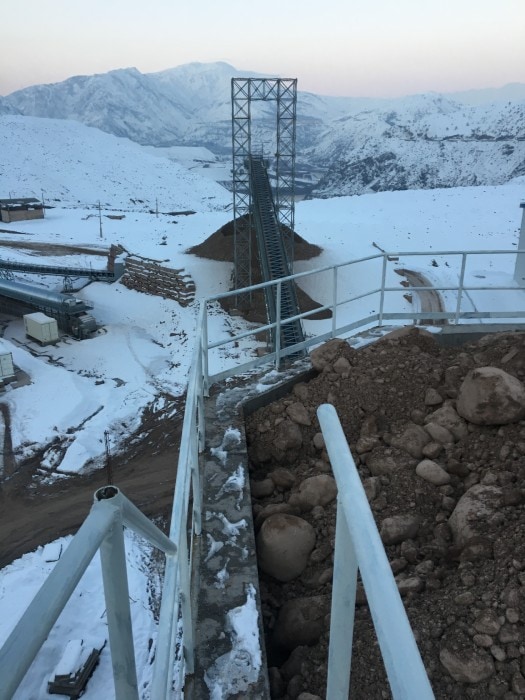
The Union Beton system represents a specific technical case, which is fairly common in the concrete aggregates sector: the production of certified particle size classes from alluvial groundwater-derived material, with all the complexities that this entails.
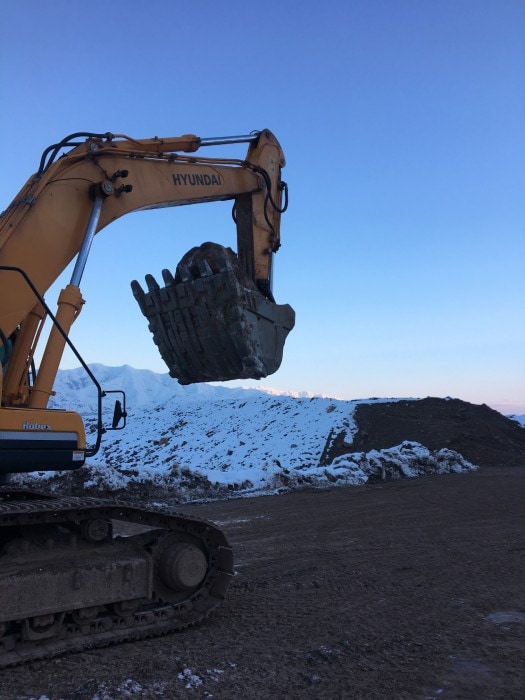
The alluvial material extracted from a lake using a diving bucket is, by its very nature, heterogeneous: variable grain size, a high proportion of fine particles, a significant water content and the possible presence of clayey material. Producing four precise particle size classes for concrete from this source, with sand that is stable in terms of fineness modulus, requires a system designed with careful attention to every stage of the process: from the reception of raw material to the separation of the classes, from crushing to washing, from the management of process water to the filtration of silt.
A further source of complexity: the system also had to process material from external excavations, which had different characteristics to that from the aquifer, via a separate station equipped with a sludge separator and dedicated screens.
The ICM approach: an integrated system for materials and water
Distinguishing between natural and crushed aggregates: a valuable choice for the market
One of the key design objectives of the Union Beton system is the separation of natural aggregates from crushed aggregates. It is not merely a technical distinction – it is a commercial decision. Natural aggregates and those produced by crushing have different surface characteristics, which influence the behaviour of concrete and its market value. A system that produces and separates the two types provides end customers with a level of product flexibility that cannot be guaranteed by standard systems.
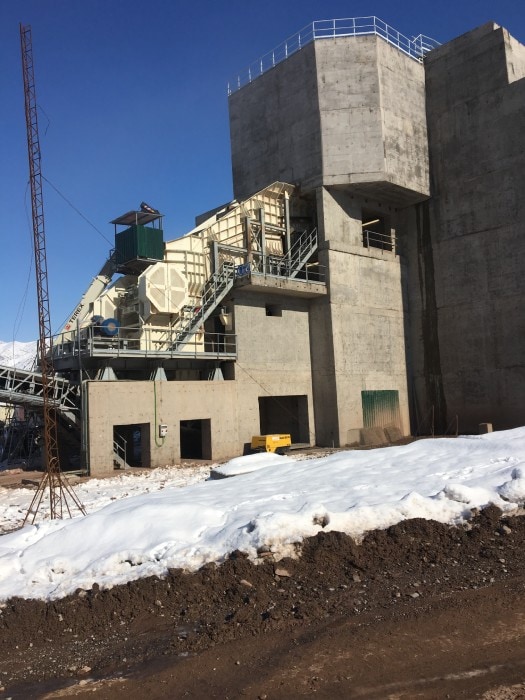
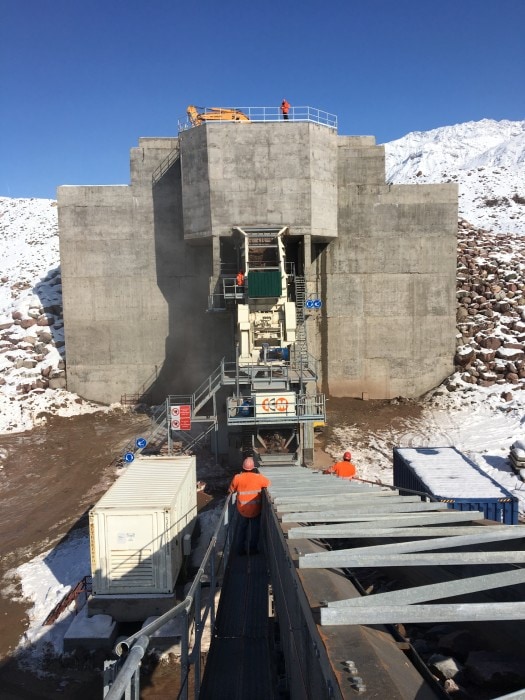
The configuration of the crushing line reflects this priority: secondary crushing using the HSI 13.13 handles the reduction of the material, whilst tertiary crushing using the VSI Canica 2000 produces crushed aggregates with the shape and particle size required for the finer classes, particularly for sand production.
Fineness modulus sand: quality that is measured and certified
The production of sand is the aspect of the Union Beton project that required the greatest engineering attention. The fineness modulus is the index that measures the particle size distribution of sand: a value that remains constant over time is essential for producing concrete with repeatable and certifiable performance.
Producing sand with a controlled fineness modulus using alluvial sand requires a precise configuration of the tertiary crushing stage, a calibrated washing system and a fine management that does not alter the final particle size distribution. The Sotres washing system and the Filmac filter press complete the process, making sure that the process water is treated and the sludge is managed in a controlled manner, without any loss of useful material and without any environmental impact on the lake.
The outdoor station: flexibility for excavated material
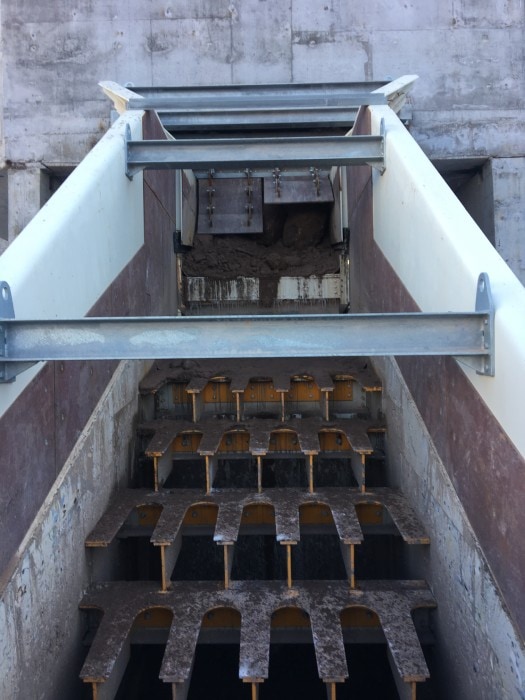
The system was also designed to handle an alternative source of material: external excavations. A separate station, equipped with a sludge separator and dedicated screens, processes this material before it is fed into the main flow. The desliming system removes the clayey and fine-grained components that would otherwise render the excavated material unsuitable for the production specifications of concrete aggregates.
This configuration increases the operational flexibility of the system: Union Beton can process lake-dredged material and excavated material using the same system, thereby optimising the availability of raw materials and reducing dependence on a single source of supply.
The results: four certified classes and sand with a stable fineness modulus
The system produced the four required particle size classes (0/4, 4/8, 8/16, 16/32 mm) at a rate of 600 t/h, with separation between natural and crushed aggregates and a sand with a constant fineness modulus that can be certified over time.
The closed water cycle, managed using the Sotres washing system and a Filmac filter press, ensured the process’s environmental compliance by eliminating water discharges into the surrounding environment and recovering the effluent in a controlled manner.
The external station for excavated material has increased the production flexibility of the system, enabling Union Beton to integrate different sources of supply without compromising the quality of the final product.
What the Union Beton project teaches us
- Lake sediment requires a specific treatment system: its granulometric heterogeneity, water content and the presence of fine clay particles cannot be managed using a standard configuration. Each source of raw material dictates specific design choices.
- Distinguishing between natural and crushed aggregates is a valuable choice: it’s not just a matter of technique. Supplying the market with aggregates categorised by type increases commercial flexibility and the value of the end product.
- Sand with a controlled fineness modulus is not achieved by chance: the combination of VSI tertiary crushing, calibrated washing and fine management is what makes the result repeatable and certifiable.
- The closed water cycle forms an integral part of the process: in systems processing lake-derived material, the management of process water is just as critical a component as crushing.
The plant
Are you planning a system for producing concrete aggregates using alluvial or lake-sourced material?
The production of certified aggregates for concrete from alluvial sources requires a project that integrates crushing, washing, water management and particle size control into a coherent system. ICM designs these systems based on an analysis of the material and the customer’s specific production objectives.