
Vipiteno plant
The project at a glance
The challenge: a flexible production line for three materials and two markets
The Vipiteno plant had to meet a specific operational requirement: to produce aggregates for two different end uses, concrete and asphalt, by processing three materials with very different characteristics: diabase, granite and limestone.
Diabase and granite are hard, abrasive rocks with high mechanical properties, making them particularly suitable for use as aggregates in asphalt and structural concrete. Limestone, which is softer and less abrasive, has a different crushing behaviour and produces classes with different surface characteristics. A system required to process all three materials efficiently cannot be arranged for only one of them: it must be designed with built-in operational flexibility.
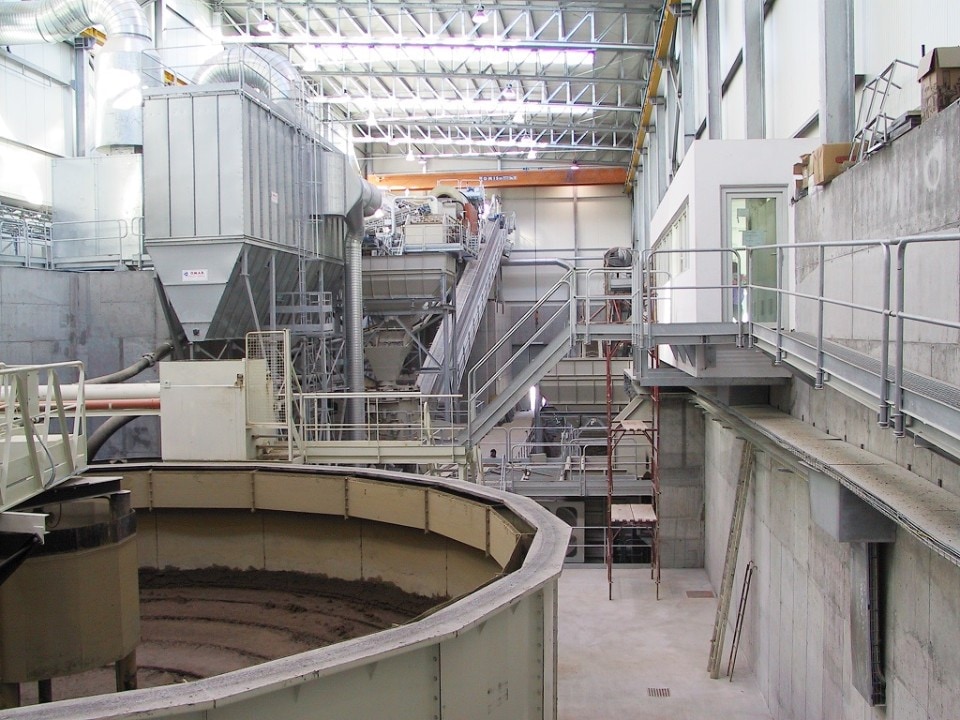
The production of seven particle size classes, with the 0/5 grade available in both dry and washed forms, added a further layer of complexity: the market for asphalt aggregates often requires dry sand, whilst the concrete market prefers washed sand for the cleanliness of surfaces and the consistency of the fineness modulus. The system was designed to serve both markets using the same process.
The ICM approach: from the original configuration to the upgrade with T-MAV 21
The original configuration: three stages for three materials
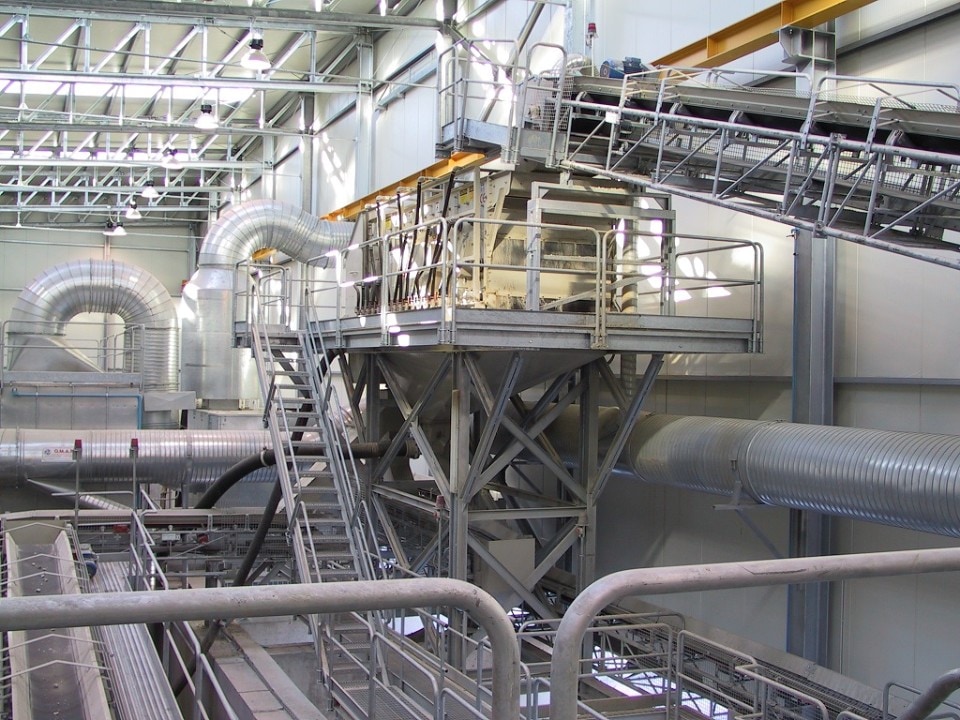
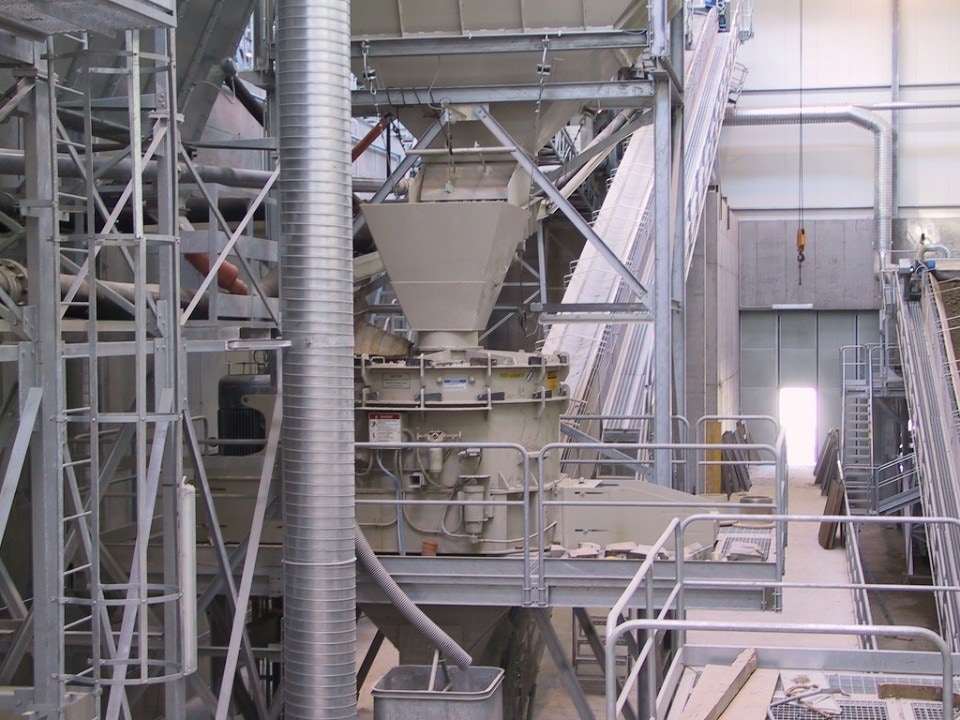
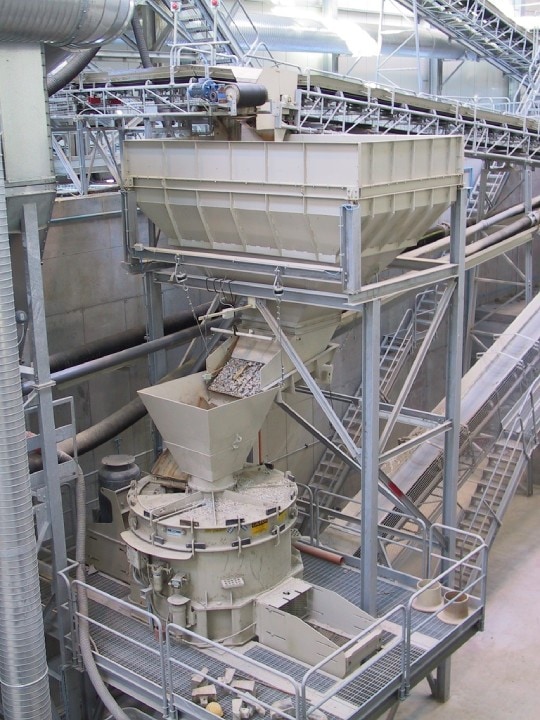
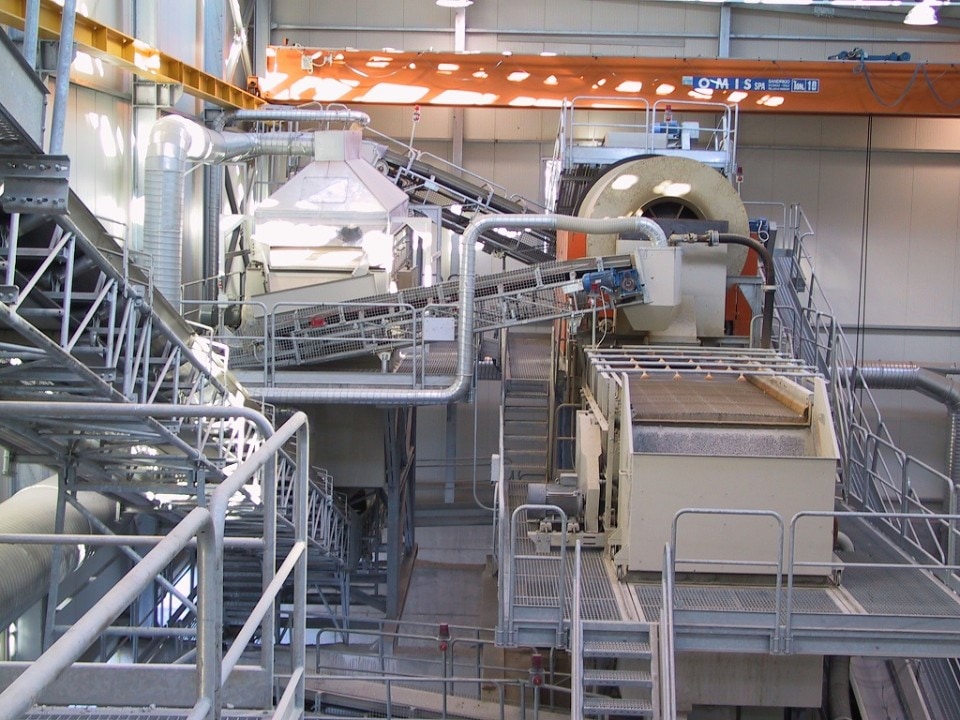
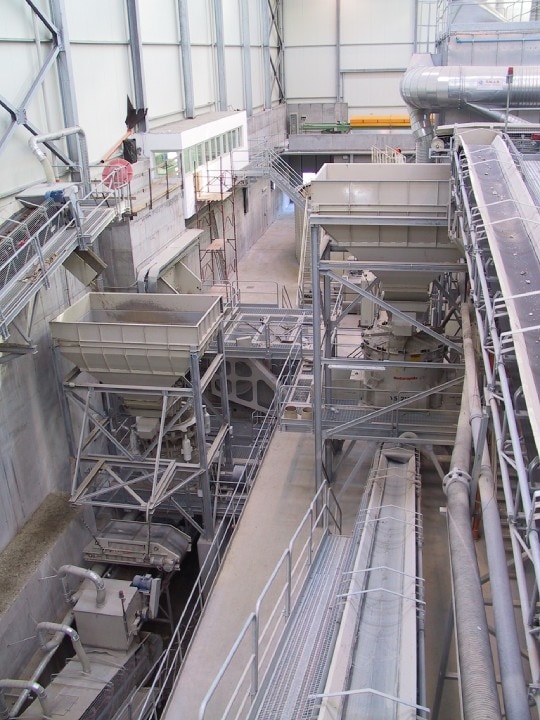
The three-stage crushing line, featuring a JC 32.42 primary jaw crusher, an RC 54 Classic secondary cone crusher and a Cedarapids 2100 tertiary VSI, was designed to handle the variability of the three input materials whilst maintaining the quality and consistency of the output.
The tertiary VSI is the key machine for sand production: the impact crushing principle produces a cubic and uniform particle size distribution, suitable for both washed sand for concrete and dry sand for asphalt. When processing hard materials such as diabase and granite, the VSI is the right choice for achieving a certifiable quality product without compromising on the production output.
The four TSH screens complete the separation into the seven required classes, with an integrated washing system for the classes intended for concrete.
Twenty years on: T-MAV 21 instead of the original VSI
After more than 20 years of service, the original VSI Cedarapids 2100 was replaced by the T-MAV 21, the vertical-axis machine developed in-house by ICM. The replacement was carried out without redesigning the system: the T-MAV 21 was designed to be compatible with existing installations, allowing for a direct upgrade of the tertiary stage.
The T-MAV 21 was developed by ICM, drawing on the experience gained from existing installations using abrasive materials: compared with the third-generation VSI, it offers lower wear costs, greater operational continuity and sand quality that remains more stable over time. For the Vipiteno plant, characterised by its three input materials and seven output classes, these parameters have a direct impact on operating costs and product quality.
The results: seven classes, three materials, two markets served for over 20 years
The system has been producing the seven required classes (0/40, 0/5 dry, 0/5 washed, 5/10, 10/20, 20/40, 40/60 mm) at a rate of 250 t/h, processing diabase, granite and limestone in line with local market requirements whilst operating continuously for over two decades.
Replacing the VSI with the T-MAV 21 has upgraded the performance of the tertiary stage without disrupting the overall logic of the system: same structure, same classes, better sand quality and lower maintenance costs for the tertiary crushing machine.
The Vipiteno case is a concrete example of what ICM means by a long-term relationship with the client: not simply selling the system, but managing its evolution over time by using proprietary solutions compatible with the existing system.
What the Vipiteno project teaches us
- A system serving two markets requires design flexibility: producing both dry and washed sand from the same process is not a straightforward matter. The configuration must be designed to cater for both destinations from the outset.
- Three different materials, one configuration: diabase, granite and limestone have different crushing behaviours. A flexible system is designed with sufficient operating margins to cope with variations in the input material.
- The T-MAV 21 is an upgrade, not just a replacement: replacing the original VSI with a machine developed in-house by ICM has improved the performance of the tertiary stage without requiring a redesign of the system. Compatibility with the existing system is a design choice, not a matter of luck.
- The value of an ongoing relationship: ICM was still the technical benchmark for that system 20 years on. This is the sort of partnership that ICM builds with its clients.
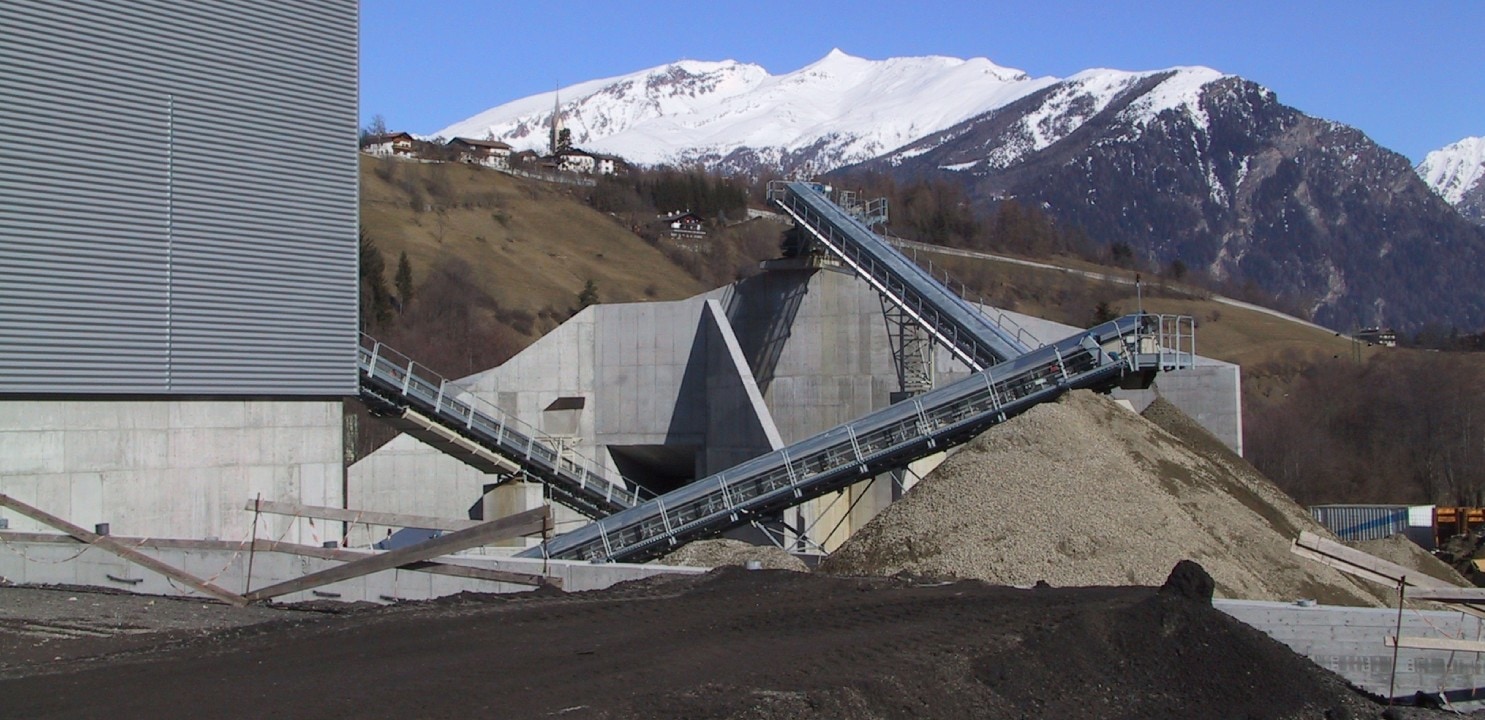
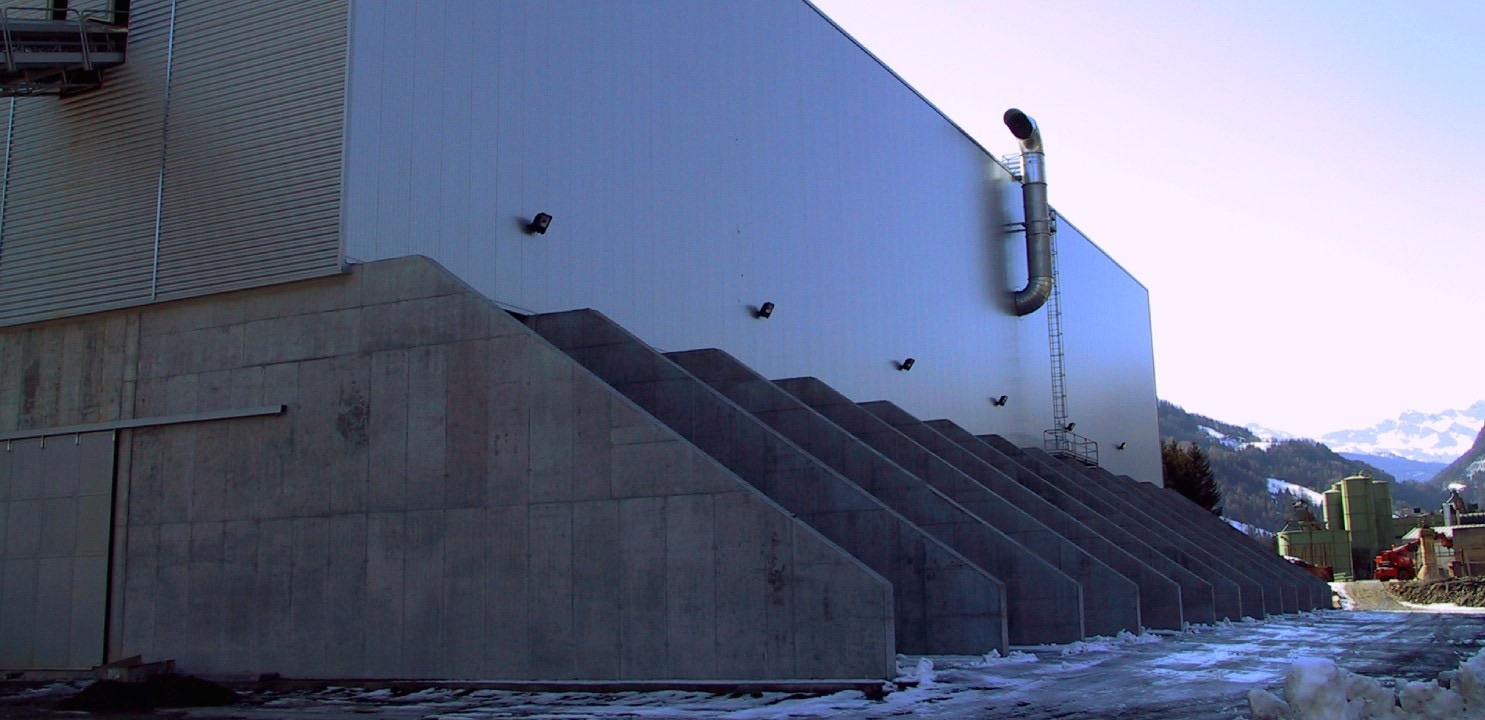
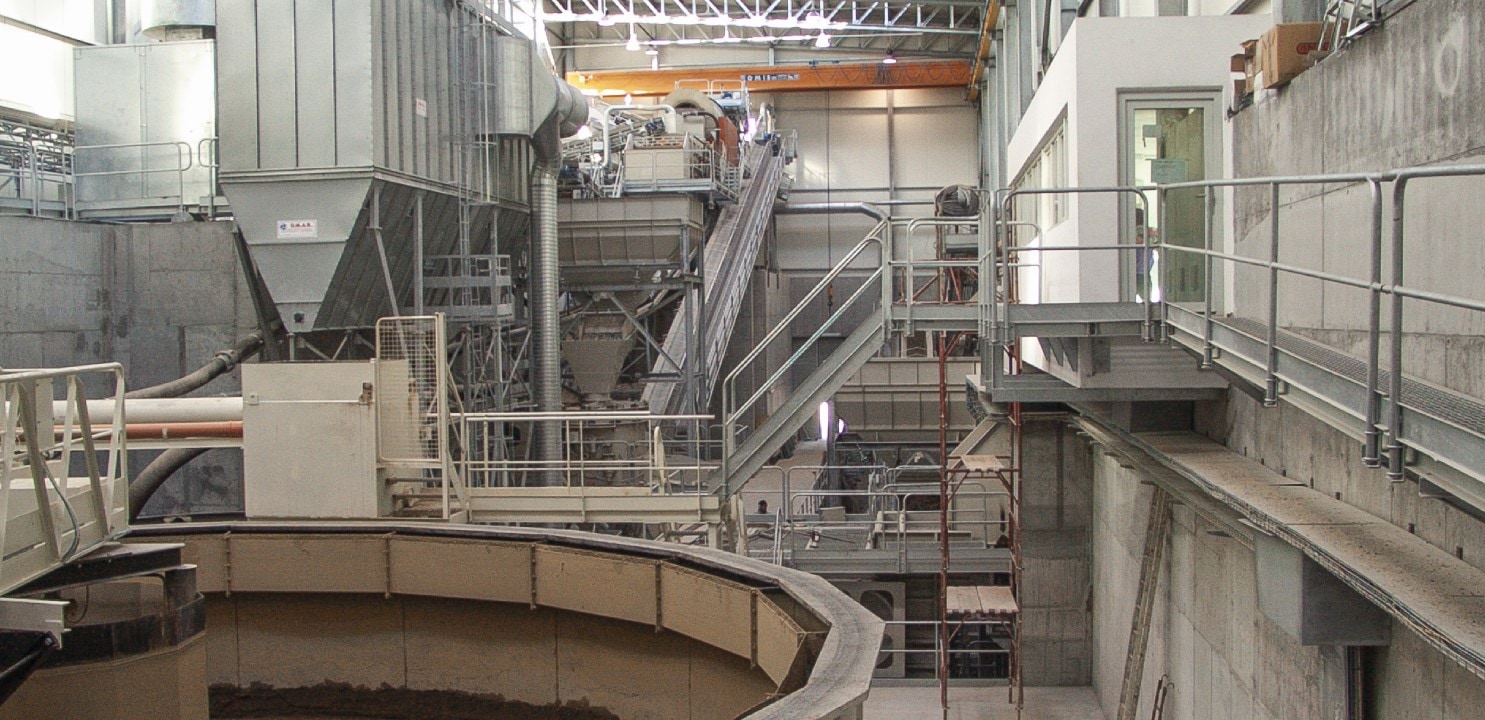
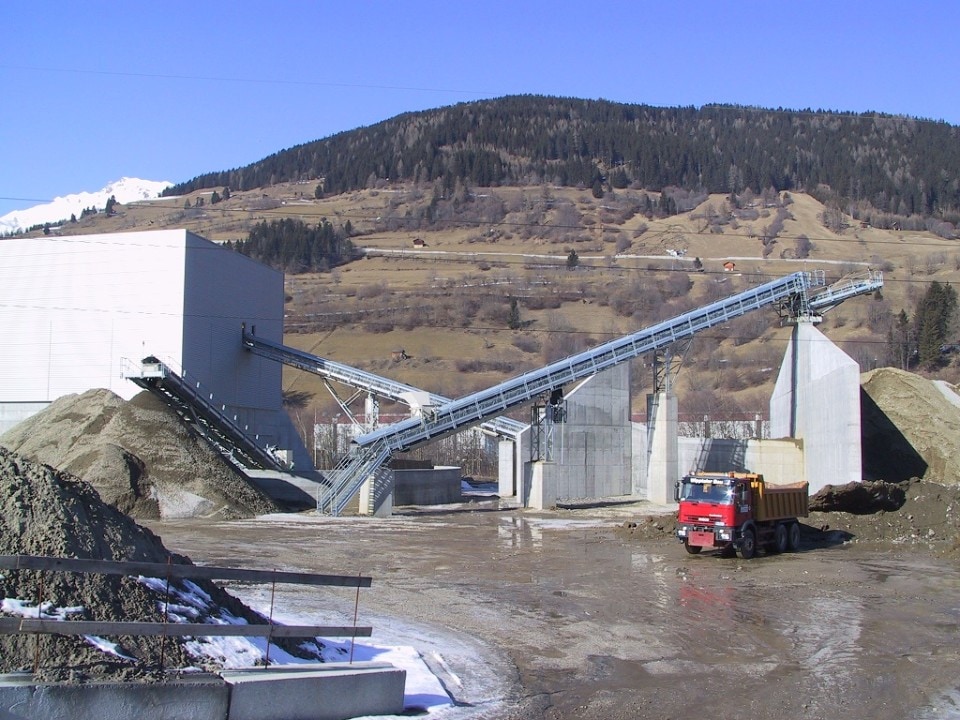
The plant
Do you have an existing system that you want to upgrade or optimise?
The revamping of an existing system requires the same level of design attention as the creation of a new one: analysis of the current process, identification of inefficiencies, and selection of the solutions best suited to the specific context. ICM designs upgrades that are compatible with the existing system without having to start from scratch.